

Women Conflict Zones: A Stark UN Report Reveals Unprecedented Threats and Systemic Failure

A chilling new reality is unfolding across the globe. As the world grapples with the highest number of active conflicts since 1946, a specific and devastating crisis is intensifying: the war on women and girls. The 2025 United Nations Secretary-General’s report on Women, Peace, and Security delivers a sobering verdict, painting a picture of unprecedented suffering and systemic neglect. This isn’t just a statistic; it’s a fundamental breakdown of humanity’s promises. The data is clear, and it is shouting: women conflict zones are being failed on every front—from protection and participation to funding and justice. This deep dive explores the harrowing findings of this critical report and what they mean for our collective future.
The Alarming Data: A Quantitative Look at the Crisis
The numbers in the UN report are not just figures; they are a testament to a world failing its most vulnerable. They reveal a scale of suffering that is both historic and horrifying.
- 676 Million Women at Risk: A record-breaking 676 million women now live within 50 kilometers of lethal conflict, the highest number since the 1990s. This means nearly one in ten women on the planet is in the direct line of fire.
- Civilian Casualties Quadrupled: The number of women and children killed or injured has skyrocketed, showing a fourfold increase over the past two years.
- Explosion of Sexual Violence: Conflict-related sexual violence has seen a catastrophic 87% surge in just two years, a clear indicator of the weaponization of women’s bodies in modern warfare.
- A Staggering Funding Disparity: In 2024, global military spending soared to over $2.7 trillion. In stark contrast, women’s organizations operating in these very conflict zones received a paltry 0.4% of aid funding.
The Participation Paradox: Why Are Women Still Shut Out of Peace Talks?
Here lies one of the greatest contradictions of our time. Overwhelming evidence proves that when women are involved in peace processes, the resulting agreements are more durable and inclusive. Yet, the report exposes a shocking participation gap.
Despite 25 years of promises since the landmark UN Security Council Resolution 1325, which committed the international community to women’s full involvement in peace and security, women remain largely shut out of the rooms where their futures are decided.
- In 2024, 9 out of 10 peace processes did not include a single woman mediator.
- Women constituted a meager 7% of negotiators and only 14% of mediators globally.
This systemic exclusion means that the very people most affected by the violence have the least say in ending it.
The Human Cost: Beyond the Numbers
Behind every data point is a story of immense human suffering. The term “women conflict zones” encapsulates a reality where:
- Women are being killed in record numbers.
- They are being displaced from their homes, torn from their families.
- They are being subjected to brutal sexual violence as a tactic of war.
- They are being left to hold communities together with virtually no resources or support.
As UN Under-Secretary-General and Executive Director of UN Women, Sima Bahous, powerfully stated: “Women and girls are being killed in record numbers, shut out of peace tables, and left unprotected as wars rage. Women do not need more promises; they need power, protection, and equal participation.”
The Urgent Call for a Gender Data Revolution
One of the report’s most critical findings is the dangerous data gap. Without sex-disaggregated data, the specific experiences of women and girls in war remain invisible. Their deaths go uncounted, their injuries unrecorded, and their needs unaddressed.Women Conflict Zones
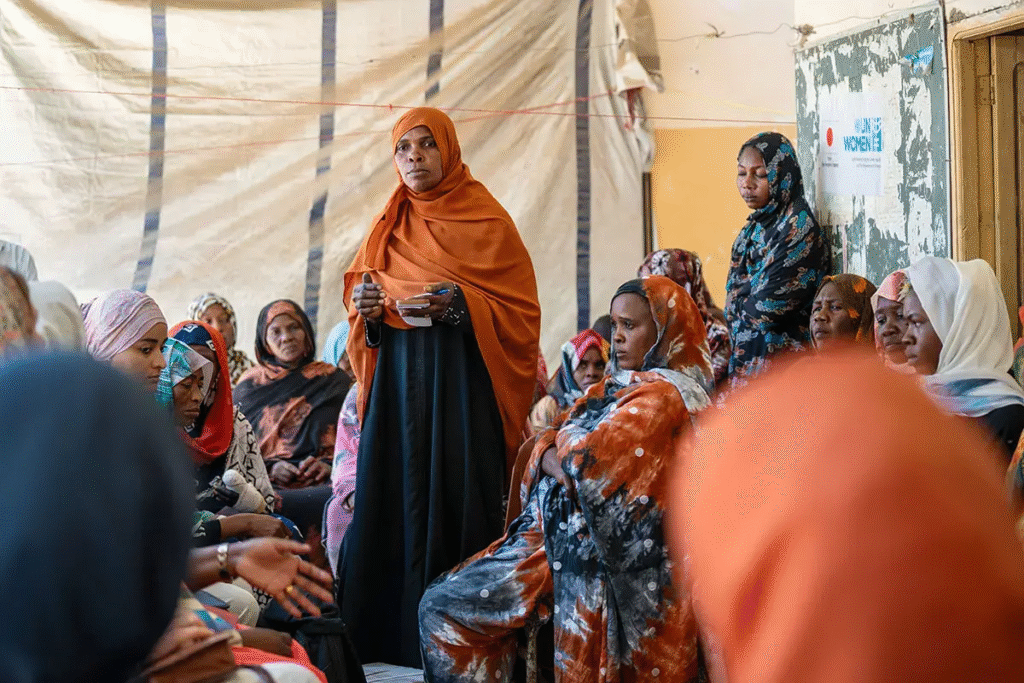
The report demands a “gender data revolution” to make women’s realities visible, measurable, and, therefore, actionable. We cannot fix what we do not see.
A Path Forward: From Empty Promises to Concrete Action
The report is not just a catalog of failures; it is a clear roadmap for change. It moves beyond highlighting problems to demanding concrete, measurable results from the international community.
The solutions are clear and non-negotiable:

- Invest in Women-Led Organizations: Redirect a significant portion of funding to frontline women’s groups who are already doing the lifesaving work on the ground.
- Mandate Inclusion: Enforce quotas and create mechanisms to ensure women have equal seats at all negotiation and decision-making tables.
- Ensure Accountability: Strengthen justice systems to hold perpetrators of atrocities against women accountable and provide reparations for survivors.
- Prioritize Political Solutions: Resolve conflicts through inclusive political dialogue, not just military might.
What is the main takeaway from the 2025 UN report on Women, Peace, and Security?
The main takeaway is that women in conflict zones are facing record levels of violence and exclusion, while being systematically shut out of peace processes and denied critical funding, despite 25 years of international promises to protect them.
How many women are currently living near active conflict zones?
According to the report, a record 676 million women now live within 50 kilometers of lethal conflict, the highest number since the 1990s.
What is UN Security Council Resolution 1325?
Passed in 2000, it was a landmark resolution that recognized the disproportionate impact of conflict on women and girls and mandated their full participation in peacebuilding, conflict prevention, and peace negotiations.
How much funding do women’s organizations in conflict zones receive?
The report highlights a shocking disparity: while global military spending exceeded $2.7 trillion, women’s organizations in conflict areas received only 0.4% of direct aid funding.
What does the report recommend to fix this crisis?
Key recommendations include investing in women-led organizations, mandating their inclusion in all peace talks, ensuring accountability for crimes, and launching a “gender data revolution” to make women’s experiences visible.

Table of Contents
Read More News Women Conflict Zones Women Conflict Zones








[…] More News G7 Meeting […]