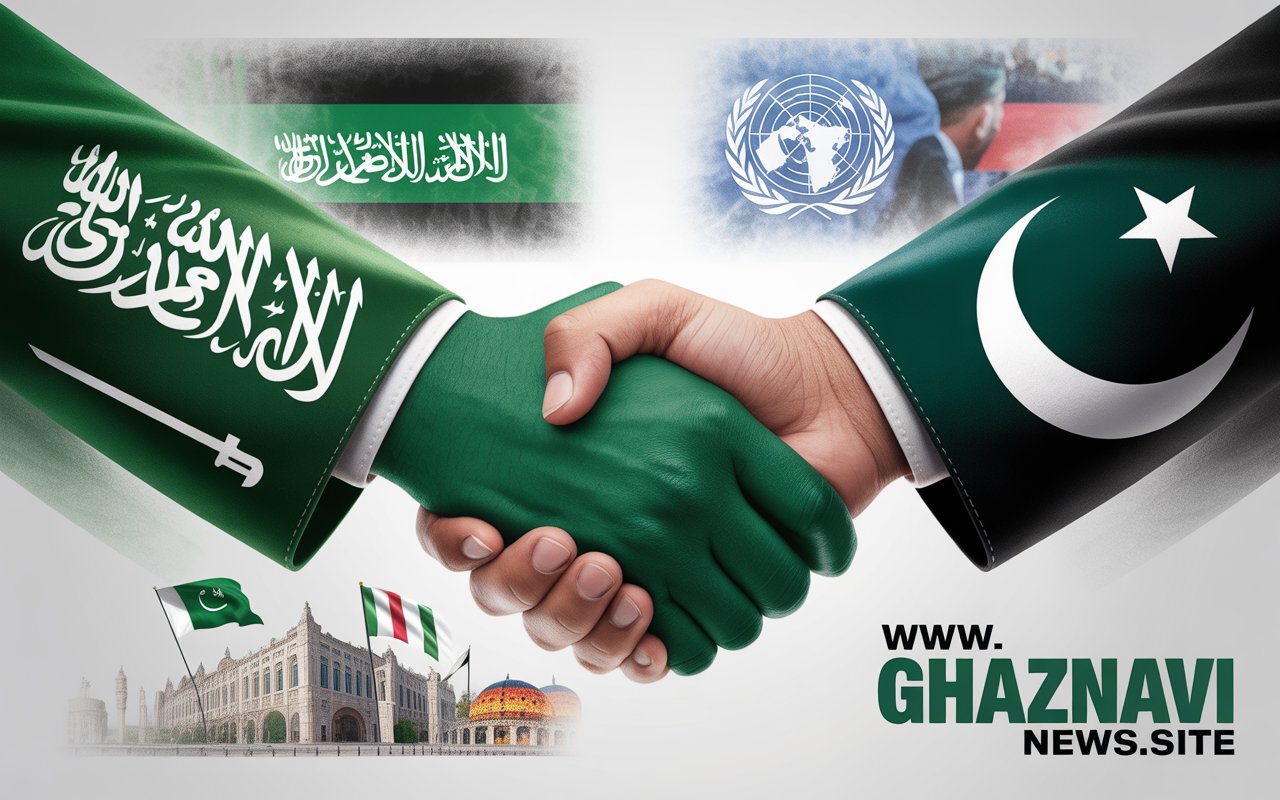
Saudi Arabia Pakistan Defense Pact: A Strategic Shift in Global Security

In a week marked by geopolitical turbulence, the international spotlight turned toward the Saudi Arabia Pakistan Defense Pact, a landmark agreement that not only redefines bilateral relations but also signals a broader shift in regional security dynamics. Alongside escalating violence in Gaza, growing recognition of Palestinian statehood by Western nations, and cultural spectacles like Munich’s Oktoberfest and Russia’s Intervision contest, this defense deal stands as a pivotal moment in global affairs.
A Monument in Arizona: Charlie Kirk Remembered
Before delving into the Saudi-Pakistan accord, it is worth noting how domestic politics in the United States intersected with global news. Thousands gathered in Arizona for a public memorial honoring conservative activist Charlie Kirk. Former U.S. President Donald Trump was expected to deliver remarks, highlighting the enduring influence of conservative grassroots movements on American political discourse.
The memorial itself reflects the deep ideological divides within the United States and comes at a time when American foreign policy faces increasing scrutiny in the Middle East, particularly after the announcement of the Saudi Arabia Pakistan Defense Pact.
Escalation in Gaza: 60 Killed Amid Intensified Israeli Strikes
While Arizona mourned, tragedy struck Gaza. According to Palestinian health officials, Israeli forces intensified their bombardment on Gaza City, killing at least 60 people overnight. The renewed offensive has sparked fears that Israel’s military strategy could lead to permanent displacement of Palestinians.
These attacks come as at least ten countries, including the United Kingdom, France, Canada, Australia, Belgium, and Luxembourg, prepare to formally recognize Palestine at the upcoming United Nations General Assembly. The recognition efforts are seen as a direct rebuke to Israel’s ongoing military actions and as part of a wider push for Palestinian statehood.
The Saudi Arabia Pakistan Defense Pact: A Turning Point
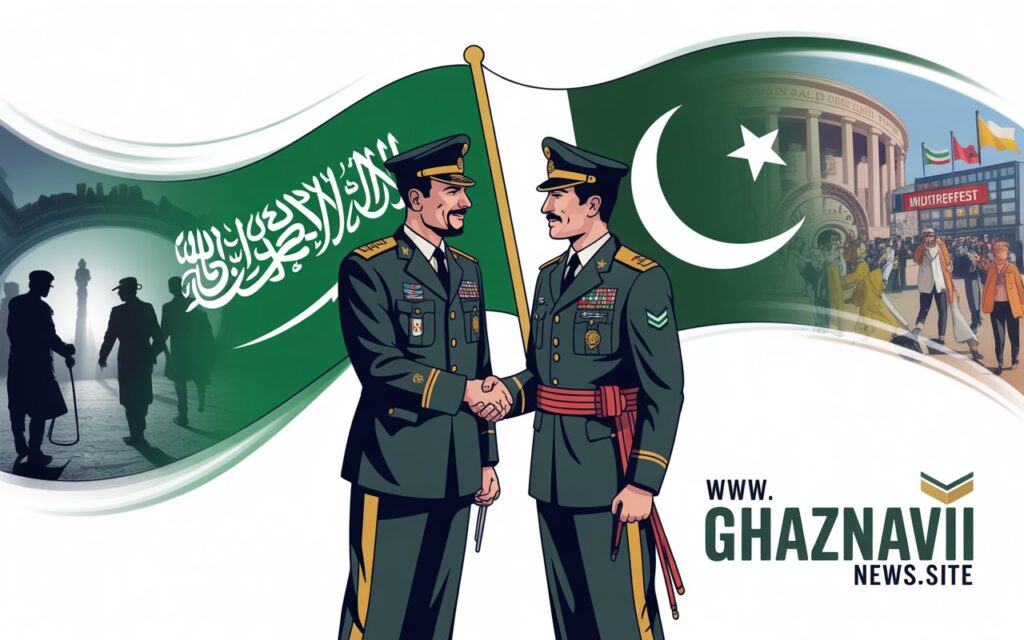
Perhaps the most strategically significant development of the week was the signing of the Saudi Arabia Pakistan Defense Pact. The agreement binds the two nations into a mutual defense framework, raising global eyebrows given Pakistan’s nuclear capabilities.
Why This Pact Matters
- Nuclear Dimensions: Pakistan is one of the few Muslim-majority states with nuclear weapons. By aligning closely with Saudi Arabia, questions naturally arise about whether Riyadh could seek nuclear assurances amid growing threats from Iran.
- Shift from U.S. Dependency: For decades, Saudi Arabia’s defense umbrella was closely tied to the United States. This pact marks a potential move away from Washington, signaling Riyadh’s desire for diversified security partnerships.
- Strengthening Regional Bloc: The agreement may lay the groundwork for a stronger Muslim-led security alliance, particularly as Turkey, Qatar, and other Middle Eastern powers navigate complex relations with Western states.
Reactions and Strategic Implications
The U.S. State Department responded cautiously, noting that any defense pact involving nuclear-capable states must comply with international non-proliferation norms. Meanwhile, analysts argue that the deal could shift the balance of power in the Middle East, creating an alternative axis independent of American and Western influence.
Iran, predictably, expressed deep concern, warning that such agreements could destabilize the region further. On the other hand, supporters in both Riyadh and Islamabad hailed the pact as a “historic partnership of mutual respect and security.”
Intervision Song Contest: Russia’s Soft Power Play
Away from the battlefield and defense corridors, Russia sought to assert its cultural influence by hosting the Intervision Song Contest, a conservative-styled alternative to Europe’s Eurovision. With participation from over 20 countries, the event showcased Moscow’s attempts to build cultural coalitions aligned with its political vision.
Vietnam emerged as the winner, underscoring how such platforms double as geopolitical theater as much as entertainment. The contest also reflects how nations use soft power to complement hard security arrangements like the Saudi Arabia Pakistan Defense Pact.
Munich’s Oktoberfest: A Symbol of Resilience
Meanwhile, in Germany, Munich launched its world-famous Oktoberfest, attracting millions of visitors from around the globe. The beer festival symbolizes cultural unity and resilience, standing in stark contrast to the wars and conflicts dominating headlines. While seemingly unrelated, such events highlight the diversity of global experiences — from mourning in Gaza to celebration in Munich.
Conclusion: A Week of Contrasting Realities
The Saudi Arabia Pakistan Defense Pact is more than just a bilateral defense agreement; it is a geopolitical statement. It challenges the long-standing American security umbrella in the Middle East, raises new questions about nuclear proliferation, and strengthens Muslim-majority alliances.
At the same time, escalating violence in Gaza, Western recognition of Palestine, Trump’s continued political presence, and Russia’s cultural diplomacy all point toward a rapidly evolving global order.
The coming months will reveal whether this pact cements a new strategic bloc or triggers further instability. What remains certain is that Saudi Arabia and Pakistan have taken a bold step, one that could reshape security architectures for years to come.
What is the Saudi Arabia Pakistan Defense Pact?
A mutual defense agreement between Saudi Arabia and Pakistan, aimed at enhancing military cooperation and raising questions about nuclear guarantees.
Why is the pact significant?
Because it potentially shifts Saudi Arabia away from U.S. security reliance and raises nuclear concerns due to Pakistan’s arsenal.
How has the U.S. reacted?
Cautiously, urging adherence to non-proliferation norms while monitoring its impact on Middle Eastern stability.
What role does nuclear capability play in this pact?
Pakistan’s nuclear status makes the pact strategically sensitive, especially regarding Saudi Arabia’s potential security guarantees.
Could this pact destabilize the region?
Yes, critics argue it could escalate tensions with Iran and weaken the influence of traditional Western allies in the Middle East.
Table of Contents
Read More News