
New Nuclear Age: Navigating the Strategic Risks and Opportunities of a Global Nuclear Resurgence

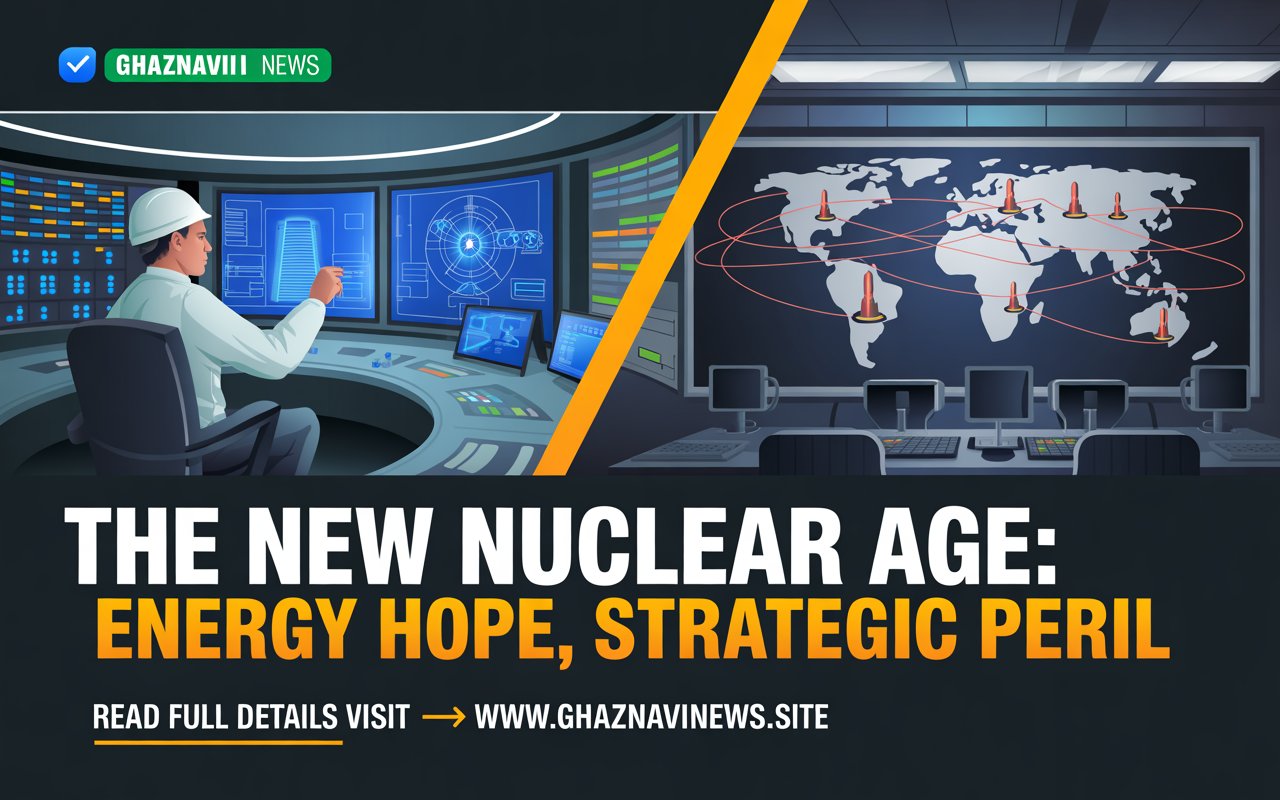
We stand at a geopolitical crossroads, one eerily reminiscent of the 20th century’s most tense standoffs, yet fundamentally different in its drivers and dynamics. The world is not merely discussing nuclear weapons; it is witnessing a broad-based nuclear renaissance that touches upon energy, technology, and the very foundations of global security. The recent IISS Manama Dialogue 2025 dedicated a pivotal session to this very theme: “Another Nuclear Age? Strategic Risk and Opportunity.” This was not an alarmist headline but a sober assessment of a rapidly shifting landscape. Governments are aggressively launching civilian nuclear energy programs and exploring novel designs for small modular reactors (SMRs). Simultaneously, a fraying international security environment and challenges to non-proliferation norms are spurring new thinking about deterrence and military nuclear programs. This convergence of civilian and military nuclear ambitions signals the potential dawn of a New Nuclear Age—an era fraught with unprecedented peril but also, paradoxically, offering pathways to a cleaner energy future. This deep dive unpacks the critical insights from that dialogue, exploring the merits, trade-offs, and existential risks that define this complex and defining challenge of our time.New Nuclear Age
The Dual Engine of the Resurgence: Energy Security and Geopolitical Insecurity
The momentum behind this New Nuclear Age is driven by two powerful, parallel forces. To understand the full picture, one must analyze both the pull of economic and environmental necessity and the push of geopolitical anxiety.New Nuclear Age
The Civilian Drive: Energy Independence and Climate Goals
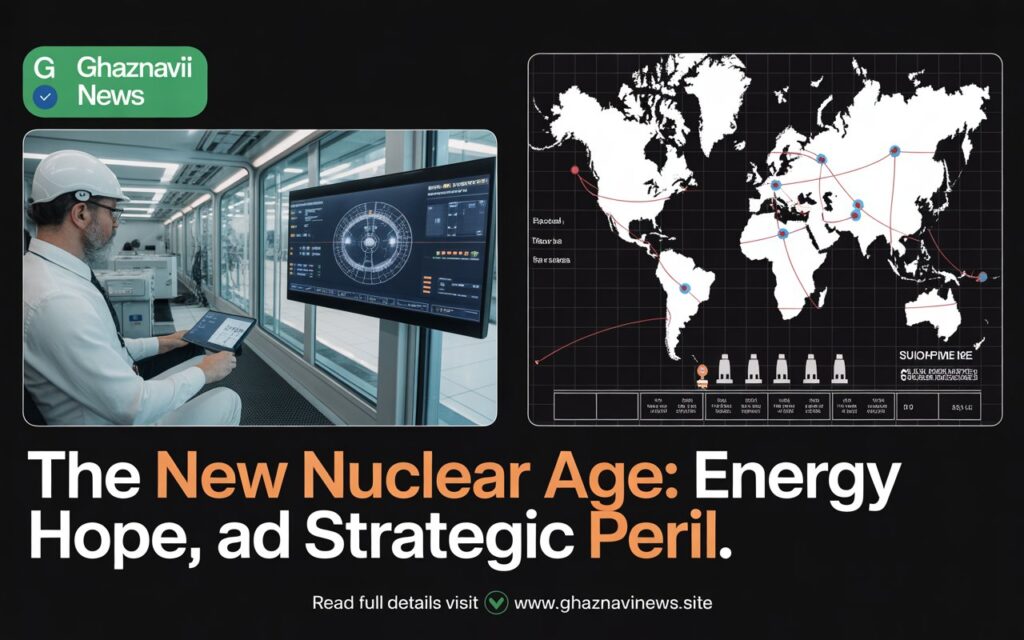
On one front, the civilian nuclear sector is experiencing a global rebirth. This is not the centralized, state-monopolized growth of the past. Instead, it is a diversified push motivated by several key factors:
- The Quest for Energy Sovereignty: The global energy crisis, exacerbated by regional conflicts, has forced nations to prioritize energy independence. Nuclear power offers a dense, reliable baseload energy source that is not subject to the whims of foreign gas suppliers or oil cartels. For many countries, it is the ultimate strategic asset for national security.
- The Decarbonization Imperative: As the climate crisis intensifies, governments are grappling with the challenge of decarbonizing their economies while meeting rising electricity demand. Renewable sources like solar and wind are crucial but intermittent. Nuclear power provides a stable, zero-carbon alternative that can anchor a green energy grid.
- Technological Innovation: The development of Small Modular Reactors (SMRs) and Advanced Modular Reactors (AMRs) is a game-changer. These designs promise lower upfront capital costs, enhanced safety features, and flexibility in deployment. They can power remote industrial sites or desalination plants, making nuclear technology accessible to a wider range of countries, including those with smaller grids or limited infrastructure.
The Military Driver: Erosion of Trust and Deterrence Theory
While civilian programs expand, the military dimension is becoming increasingly volatile. The post-Cold War consensus on non-proliferation and disarmament is crumbling, giving way to a more complex and dangerous strategic environment.
New Nuclear Age
- The Breakdown of Arms Control Agreements: The collapse of treaties like the Intermediate-Range Nuclear Forces (INF) Treaty and the precarious state of others have created a regulatory vacuum. This has opened the door for a new arms race, with major powers modernizing their nuclear arsenals and developing new, more sophisticated delivery systems.
- Regional Security Dilemmas: In regions like the Middle East and Asia, perceived existential threats are driving nuclear reconsideration. When a neighboring rival is perceived to be advancing its nuclear capabilities or when security guarantees from a superpower ally like the United States are seen as unreliable, the calculus for pursuing a sovereign deterrent shifts.
- New Thinking on Deterrence: As Admiral Giuseppe Cavo Dragone, Chairman of NATO’s Military Committee, likely emphasized at the Manama Dialogue, the concept of deterrence is evolving. In an era of hybrid warfare, cyberattacks, and space-based assets, nuclear doctrines are being revised. The question is no longer just about massive retaliation but about flexible response, tactical nuclear weapons, and integrating nuclear capabilities into broader military strategy.
The Inherent Contradiction: Opportunity Versus Existential Risk
This is the core tension of the New Nuclear Age. The very technologies and policies that promise solutions on one front create profound new risks on another.
The Opportunity: A Bridge to a Sustainable Future
The optimistic scenario is compelling. A global rollout of advanced, safe SMRs could:
- Accelerate the transition away from fossil fuels.
- Provide cheap and abundant electricity to developing nations, spurring economic growth.
- Create high-tech industrial jobs and supply chains.
- Reduce geopolitical tensions centered on oil and gas pipelines and shipping lanes.
The Strategic Risk: The Proliferation Precariousness
This is where the danger lies. The spread of civilian nuclear technology inherently brings the spread of nuclear expertise and materials. The knowledge and infrastructure required to enrich fuel for a power reactor can, with a political decision, be redirected to enrich weapons-grade material. This is the foundational risk of nuclear proliferation. As more countries master the nuclear fuel cycle, the number of potential “threshold” states—those capable of building a bomb on short notice—increases dramatically. This creates a world that is far more multipolar and unpredictable from a nuclear standpoint. As Dr. Bastian Giegerich, Director-General and Chief Executive of IISS, who chaired the session, would know, this directly challenges the non-proliferation regime’s capacity to monitor and control this expansion. New Nuclear Age
The Geopolitical Fault Lines: A View from the Panel
The panel at the Manama Dialogue, featuring voices like Ana Birchall, former Deputy Prime Minister of Romania, would have highlighted the regional perspectives that make this issue so complex.
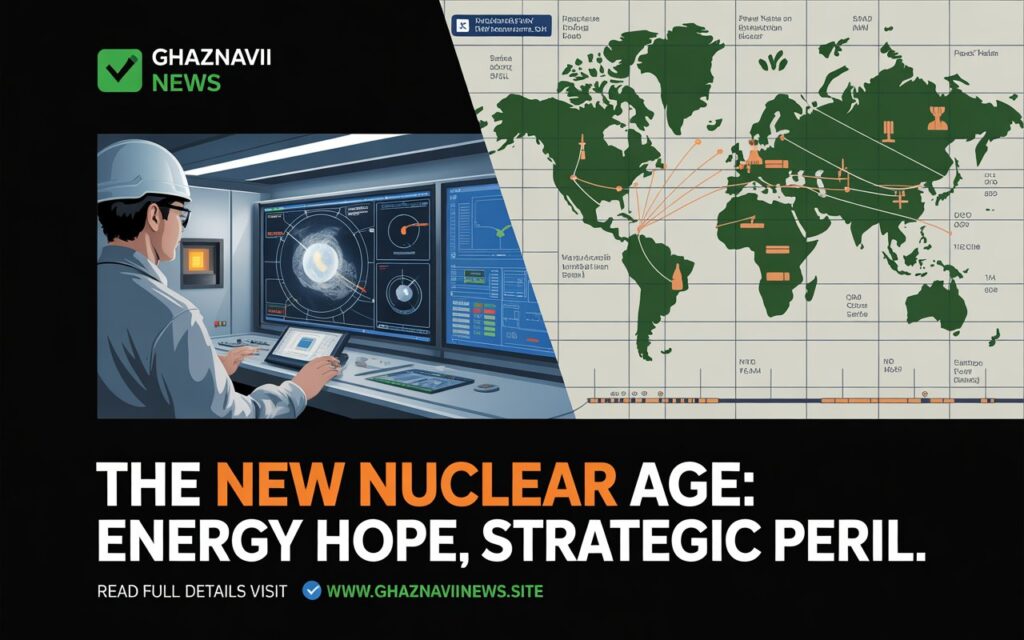
- The European Perspective: For countries like Romania, which operates a civilian nuclear plant, the dilemma is balancing energy needs with the security threat from a nuclear-armed Russia. It reinforces the need for NATO’s nuclear sharing arrangement as a ultimate security guarantee.
- The Middle Eastern Context: The dialogue in Manama would have been acutely focused on the implications for the Gulf. If one regional power were to pursue a nuclear weapon, it would almost certainly trigger a cascade of similar programs across the region, making an already volatile area a nuclear tinderbox.
- The Asian Dynamic: The ongoing nuclear arms race between India and Pakistan, coupled with North Korea’s established capabilities and China’s rapid nuclear buildup, makes Asia the epicenter of nuclear weapons growth. The erosion of norms makes conflict management exponentially more difficult.
Navigating the New Age: Is a Catastrophe Inevitable?
The session’s title posed a question: “Another Nuclear Age?” The evidence suggests we are already in it. The critical task for policymakers is to manage this new reality to avoid catastrophe. This requires a multi-pronged approach:
- Reinforcing the Non-Proliferation Regime: Strengthening the International Atomic Energy Agency (IAEA) with greater authority, funding, and access is non-negotiable. The global community must find ways to incentivize countries to choose the civilian benefits of New Nuclear Age power while foreclosing the military option.
- Developing New Guardrails: The great powers, however distrustful, must engage in strategic stability talks to establish new rules of the road. This includes risk reduction measures, communication channels, and potentially new arms control frameworks that account for new technologies like hypersonic missiles and cyber warfare.
- Promoting Technological Safeguards: Investing in proliferation-resistant nuclear technologies, such as reactors that run on alternative fuel cycles that do not produce weapons-grade material, is a critical long-term goal.

The New Nuclear Age is not a future possibility; it is our present reality. It is an age of both clean energy promise and existential danger. The path we choose—between managed competition and uncontrolled proliferation—will determine the security and sustainability of the planet for generations to come. The discussions at forums like the IISS Manama Dialogue are no longer academic; they are a vital early-warning system and a workshop for our collective survival.
What is meant by the “New Nuclear Age”?
New Nuclear Age:The term refers to the contemporary resurgence of interest and investment in nuclear technology, driven simultaneously by the demand for clean, sovereign energy and a deteriorating global security environment that is spurring new arms races and revisions to nuclear deterrence strategies.
What are Small Modular Reactors (SMRs) and why are they important?
SMRs are a new class of nuclear reactors that are smaller, cheaper to build, and more flexible than traditional large-scale reactors. Their importance lies in their potential to make nuclear power accessible to more countries and for a wider range of applications, but they also raise new non-proliferation concerns.
How does civilian nuclear energy programs relate to weapons proliferation?
The civilian nuclear fuel cycle involves enriching uranium. The same technology and expertise used to enrich uranium to low levels for reactor fuel can be repurposed to enrich it to high levels for a nuclear weapon. This is the fundamental link between peaceful and military nuclear programs.
What was the main purpose of the IISS Manama Dialogue session on this topic?
The session, chaired by Dr. Bastian Giegerich of IISS, aimed to objectively discuss the strategic trade-offs of this nuclear resurgence. It brought together high-level experts like Admiral Giuseppe Cavo Dragone (NATO) and Ana Birchall (Romania) to explore the risks and opportunities from multiple geopolitical perspectives.
Is a new nuclear arms race already happening?
Yes. Major powers like the United States, Russia, and China are actively modernizing their nuclear arsenals, developing new delivery systems (e.g., hypersonic missiles), and in some cases, increasing their stockpiles. The collapse of key arms control treaties has accelerated this process.
Table of Contents
Read More News New Nuclear Age
Advertisement

New Nuclear Age








[…] More News Tropical Forest […]