
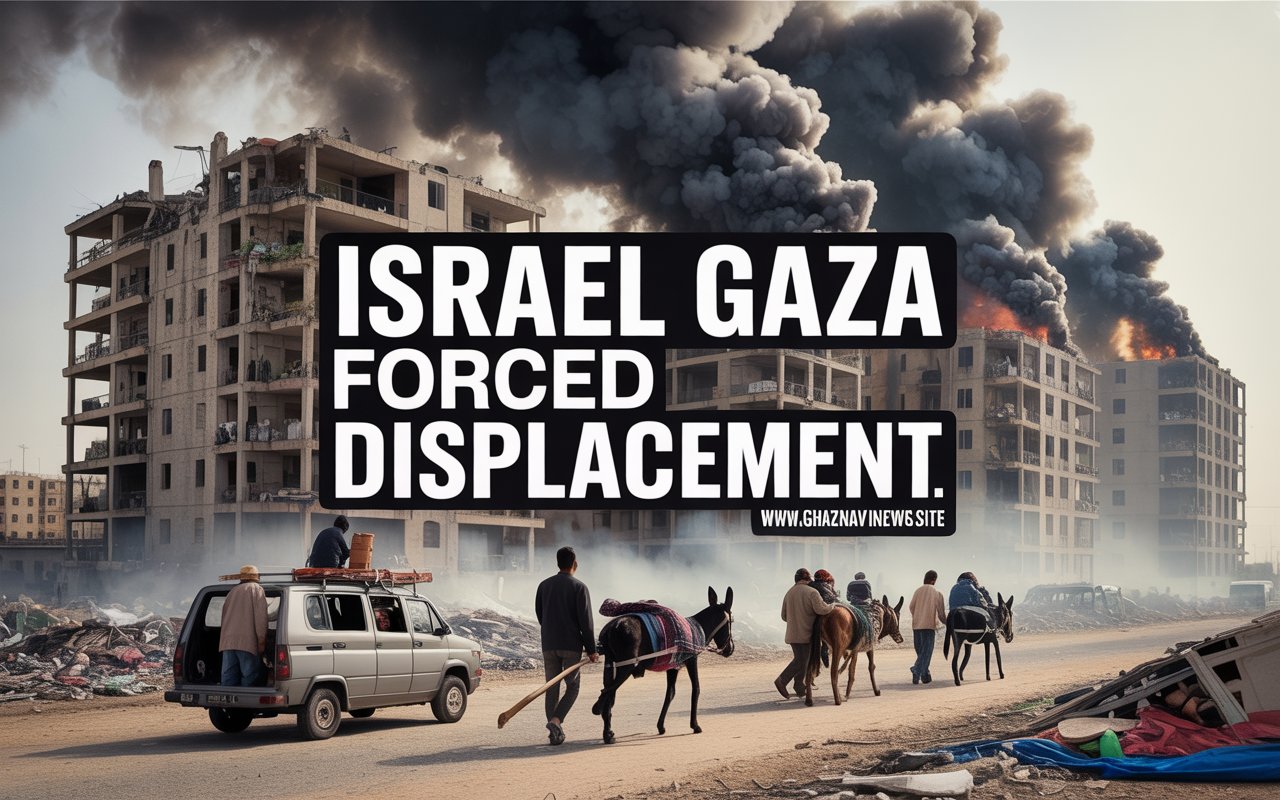
Israel Gaza forced displacement: Thousands flee as airstrikes flatten Gaza City

Gaza City — A new wave of devastation has swept through Gaza City as intense Israeli air and ground operations have triggered a massive and chaotic movement of people. The Israel Gaza forced displacement is now among the most acute humanitarian emergencies in the region: dozens have been killed in single days of bombardment, entire residential towers have been levelled and hundreds of thousands of civilians are on the move with few safe options in sight.
On Tuesday, Gaza health authorities reported that at least 91 Palestinians were killed in heavy strikes across the city. Local hospitals, already stretched to the breaking point, struggled to cope with the flood of casualties and the logistical collapse caused by the repeated targeting of civilian infrastructure. The scale and speed of destruction have left residents scrambling to find shelter, food and water amidst streets littered with rubble and ash.
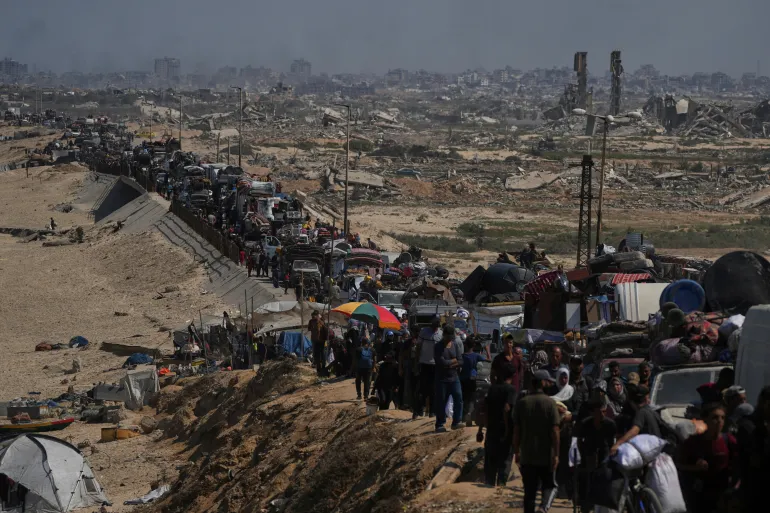
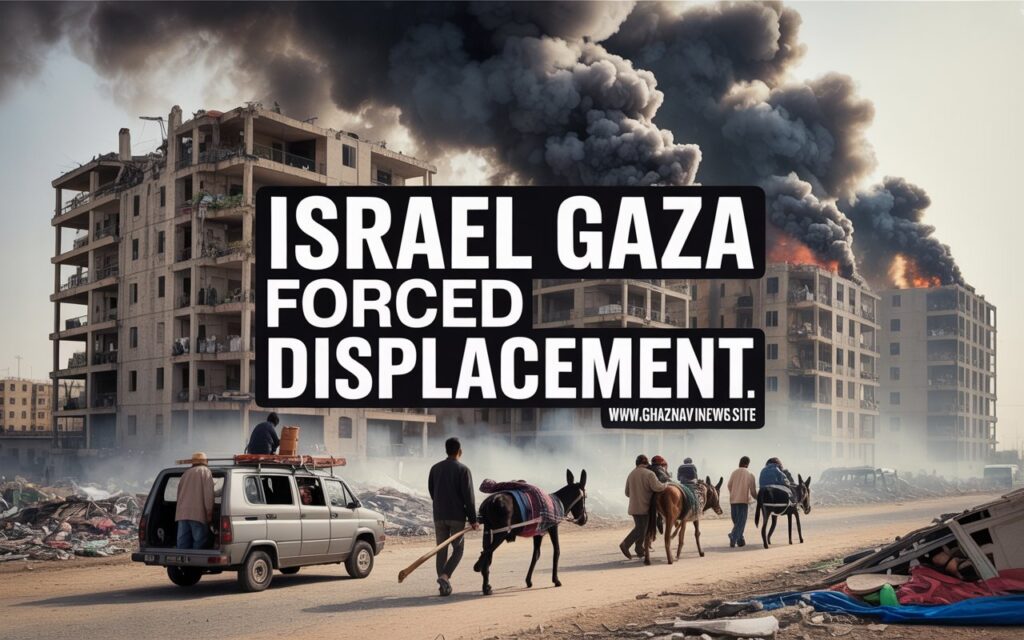
Witnesses described scenes of desperate flight. Families loaded meagre possessions onto vans and donkey carts and set off along the coastal road, while others tried to reach southern neighborhoods and informal camps that have rapidly become overcrowded. Many who attempted to move south found no real refuge: already packed makeshift settlements such as Al-Mawasi and camps near Khan Younis and Rafah have been struck or remain insecure, leaving evacuees with little practical alternative. The recurring pattern — bombard, flee, be attacked again — has created a cycle of displacement with no stable end point. Israel Gaza forced displacement
The military advance and its human cost
Israeli forces have increased their operations across northern, central and eastern districts of Gaza City. The offensive has combined airpower with unmanned explosive robots and a renewed armored thrust, pushing tanks and infantry deeper into urban areas. Rights groups have documented the deployment of robotic munitions capable of targeting and demolishing housing blocks, while satellite imagery and on-the-ground reporting show more than a dozen residential buildings reduced to rubble in just days.
As the fighting accelerates, public messaging from Israeli officials has made clear that the military intends to press on. Statements acknowledging that it may take “months” to secure full control of Gaza City have only heightened fears that the Israel Gaza forced displacement may be long-lasting rather than temporary.
The attacks have not spared houses of worship, community centres or civilian-run facilities. Among the buildings hit was a mosque in Tuffah neighbourhood—its destruction emblematic of the wider civic damage inflicted during the latest operations. With roads disrupted and fuel scarce, humanitarian convoys struggle to reach affected areas, and medical facilities report dwindling supplies of essential medicines and electricity.
Numbers on the move: conflicting tallies, universal suffering
Accurate figures for displacement and casualties are difficult to verify amidst the chaos, but several consistent estimates paint a dire picture. Gaza’s media office reported that around 350,000 residents in central and western Gaza City have been uprooted, of whom some 190,000 have left the enclave altogether. Other assessments suggest hundreds of thousands have been on the move, at times returning to bombed neighbourhoods when southern shelters become unlivable.
The United Nations and humanitarian agencies warn that close to two million people across the Gaza Strip are affected by the conflict, many already living in precarious conditions prior to recent escalations. Shelter, clean water, sanitation and health services are rapidly eroding, heightening the risk of disease outbreaks and long-term displacement-related trauma.Israel Gaza forced displacement
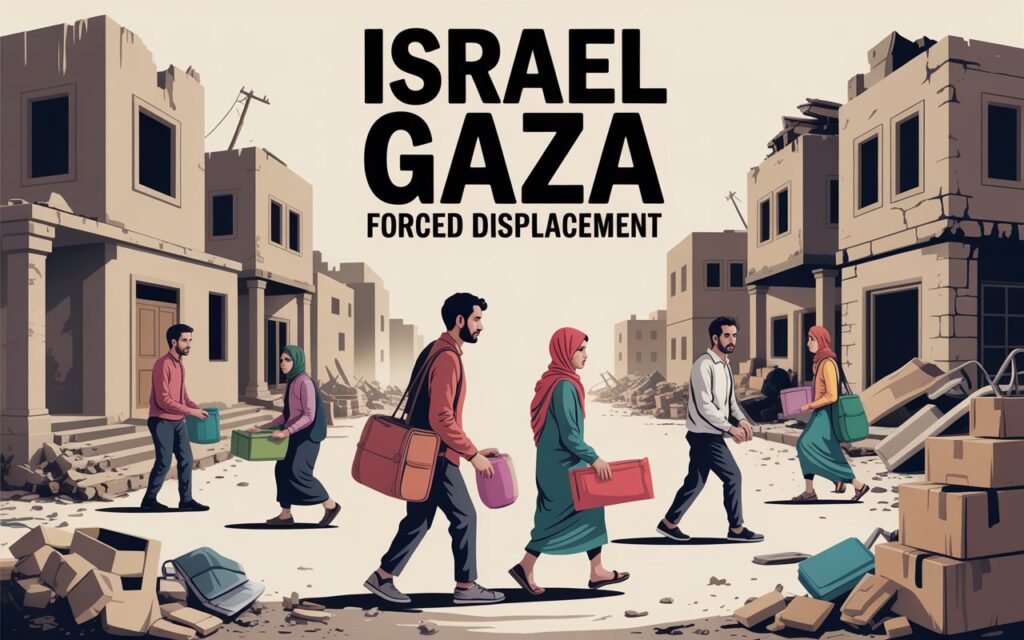
The United Nations and the charge of genocidal intent
In a consequential development, a UN Commission of Inquiry has concluded that actions in Gaza meet the elements of genocide, citing evidence it says demonstrates an intent to destroy Palestinians “as a people.” The report focuses on public statements, operational patterns and the cumulative effects of the campaign — and has been welcomed by the Palestinian authorities as a vindication of their long-standing claims.
The designation has intensified international scrutiny and diplomatic pressure. UN Secretary-General António Guterres described the situation as “morally, politically and legally unacceptable,” while leading governments and rights organizations issued revocations and condemnations urging immediate cessation of large-scale strikes affecting civilians.
International reactions and diplomatic strain
Global condemnation has mounted. Several European capitals, already vocal in demanding restraint, called on Israel to halt its “devastating campaign” and to return to negotiations. Some leaders pushed further: Ireland’s president condemned those “committing genocide” as well as actors supporting them with arms and diplomacy, while human-rights bodies amplified calls for investigations into alleged war crimes.
The international diplomatic landscape is stark: pressure for ceasefire and unrestricted humanitarian access grows louder, yet operational realities on the ground and political divisions among major powers have so far prevented a definitive international solution. Meanwhile, grassroots and civil-society campaigns worldwide are intensifying demands for arms controls, sanctions, and other accountability measures.
Law, history and the fear of permanence
For Palestinians, the current exodus rekindles historical traumas dating back to the Nakba. The experience of displacement—of having homes and neighbourhoods erased—resonates deeply, feeding fears that today’s movements could morph into permanent dispossession. International humanitarian law prohibits forced displacement except where civilians must be moved for their safety; yet the scale and conditions of the present evacuations raise urgent legal and moral questions.
Humanitarian experts warn that prolonged displacement will have multi-generational consequences: disrupted education, chronic health issues, economic collapse and a long-term need for reconstruction and reconciliation that the international community seems ill-prepared to fund or manage.
Humanitarian response under extreme strain
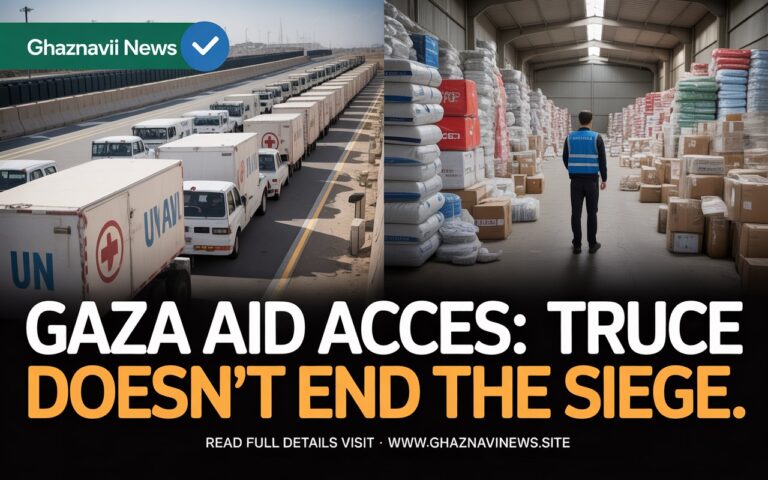
Relief agencies are operating in extremely constrained circumstances. Border crossings and delivery points face restrictions and bottlenecks, and local logistics are hampered by security risks. The World Health Organization and other UN bodies have repeatedly sounded alarms about hospitals running out of supplies, fuel and staff. Clean water access is intermittent in many districts, and sanitation systems are failing — a dangerous mix that could spark secondary health crises.
Despite the risks, local and international NGOs are attempting to deliver food, water and medical assistance, often improvising solutions in the face of damaged roads and limited security guarantees. Still, aid volumes fall far short of need.
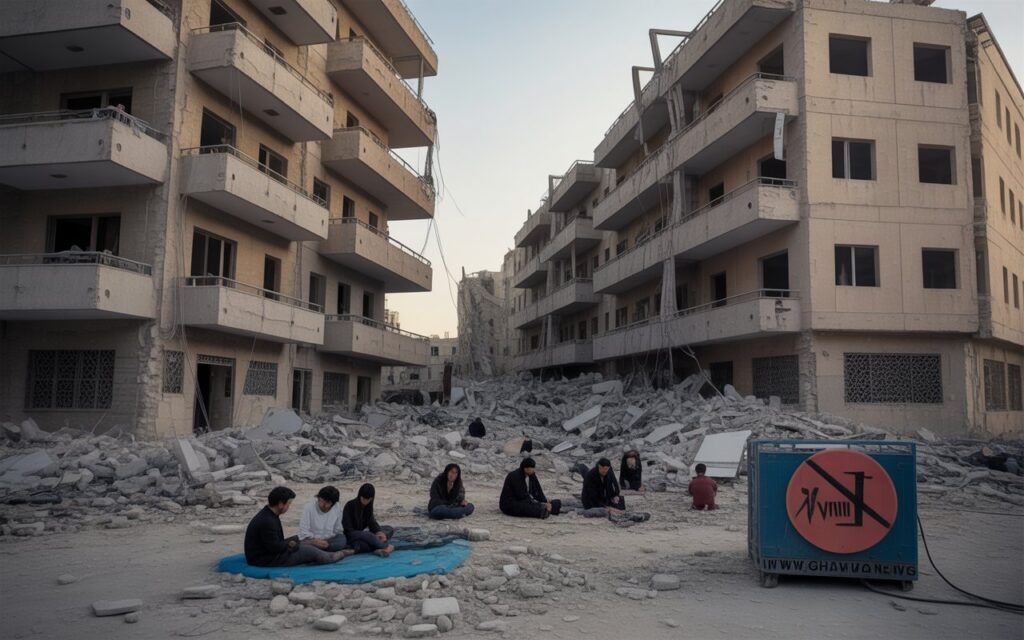
What happens next?
The proximate humanitarian imperative is clear: an immediate, sustained ceasefire and unfettered humanitarian access are essential to halt further civilian suffering. Beyond that, durable solutions require political will, funding and mechanisms for reconstruction that protect displaced populations’ rights to return and rebuild. The Israel Gaza forced displacement crisis will persist as a political and legal fault line unless decisive, coordinated action is taken.
The international community now faces a test: whether to move beyond statements to concrete measures that will protect civilians, prevent further displacement, and create the foundations for lasting peace and accountability.
What is meant by “Israel Gaza forced displacement”?
The term refers to the mass movement and uprooting of Palestinian civilians from Gaza City and other areas caused directly or indirectly by Israeli military operations, where people flee because their homes or infrastructure are destroyed or rendered unsafe.
How many people have been displaced so far?
Estimates vary amid chaotic reporting, but credible figures indicate hundreds of thousands have been forced from their homes in Gaza City and the wider Gaza Strip; some local authorities cite figures around 350,000 displaced in central and western Gaza City alone.
Has any international body weighed in on the conduct of hostilities?
Yes. A UN Commission of Inquiry has concluded that the conduct of the war in Gaza meets the legal elements of genocide, increasing calls for judicial and political responses.
Where are displaced people going and are they safe there?
Many are attempting to reach southern areas and informal camps like Al-Mawasi, Khan Younis and Rafah, but those zones are frequently overcrowded and have themselves been subject to strikes, so safety is not guaranteed.
What can the international community do to help end the forced displacement?
Immediate measures include pressuring for a sustained ceasefire, ensuring unimpeded humanitarian access, increasing aid deliveries, imposing diplomatic or economic pressure where appropriate, and supporting independent investigations into potential violations of international law.

Table of Contents
Read More News of GAZA CITY Israel Gaza forced displacement








[…] Read More News […]