Israel’s Forced Displacement of One Million Gazans Deepens Humanitarian Crisis

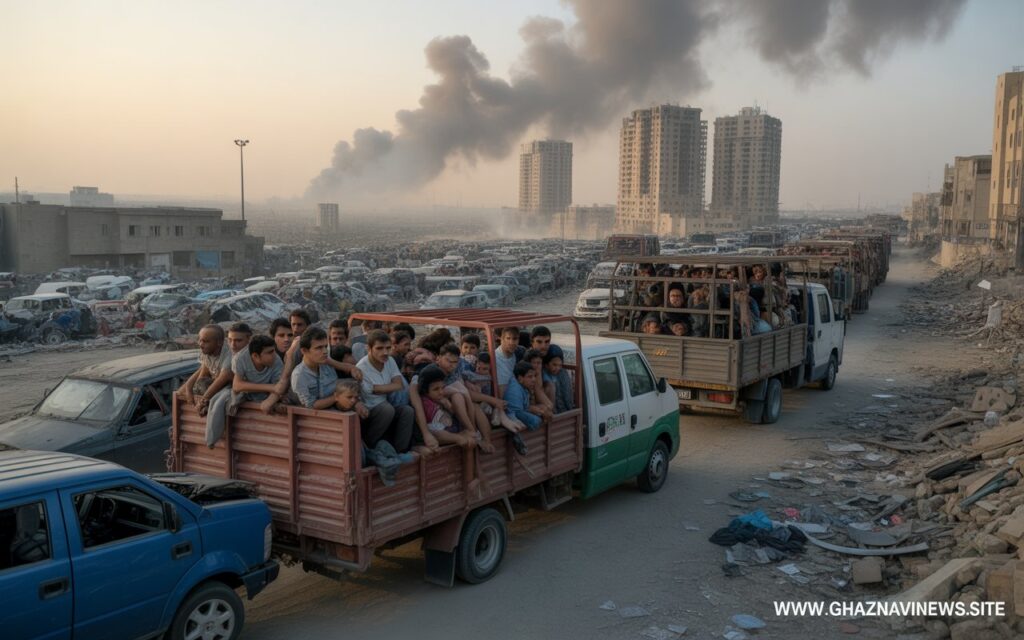
On September 12, 2025, Israel ordered the forced displacement of one million people from Gaza City to southern areas. This announcement came after a week of intensified airstrikes that flattened residential towers and left more than 50 Palestinians dead in a single day.
Human rights groups and aid organizations, including CARE International, have condemned the move, warning of catastrophic humanitarian consequences. Already facing hunger, repeated displacement, and relentless bombardment, the people of Gaza now confront yet another impossible choice: to stay in danger or flee to unsafe, overcrowded zones in the south.
A Devastating Humanitarian Toll
The displacement order is expected to push Gaza’s already desperate situation to the brink. According to aid agencies:
- Over one million people will be forced from their homes, many of whom have already been displaced multiple times.
- Vulnerable groups such as children under five, pregnant women, and nursing mothers face the greatest risks, including famine and health complications.
- Gaza’s population has been under constant siege for nearly two years, enduring bombings, starvation, and recurring displacements.
Becky Ryan, CARE’s Gaza Response Director, stated:
“Such large-scale forced displacement will have devastating consequences for a population already battered by bombings, hunger, and repeated displacement. Forcing them into overcrowded so-called humanitarian zones without shelter, clean water, or safety will only deepen their suffering.”
Israel’s “Humanitarian Zones” Under Question
Israel has declared Al-Mawasi, Khan Younis as the “humanitarian zone” where Gazans should move. In reality, aid agencies argue, this area is overcrowded, unsafe, and frequently targeted by military strikes.
- Between May 2024 and January 2025, the so-called safe zone was attacked nearly 100 times.
- Just last week, five children were killed fetching water in the zone.
- Over 86% of Gaza’s territory is now either under military control or subject to displacement orders.
These facts raise serious doubts about the credibility of Israel’s “humanitarian corridor” claims.
Scenes of Mass Exodus
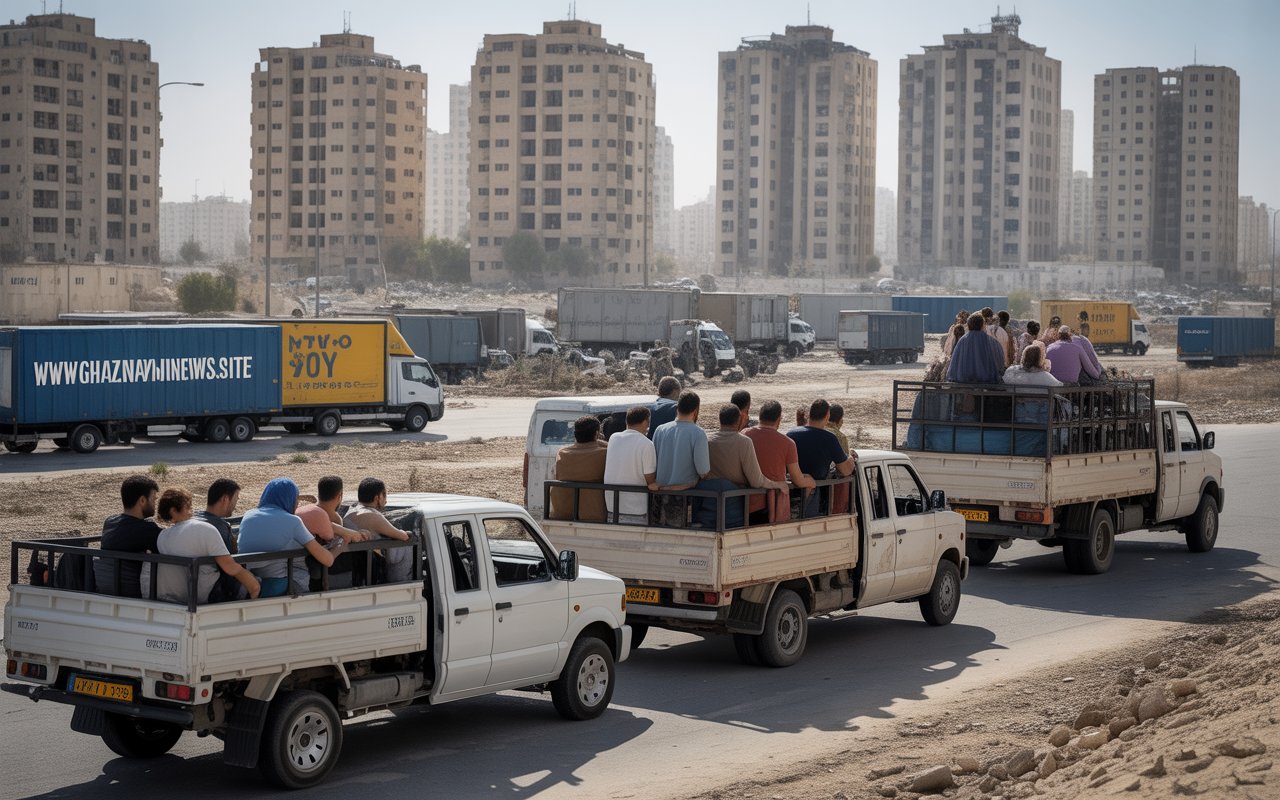
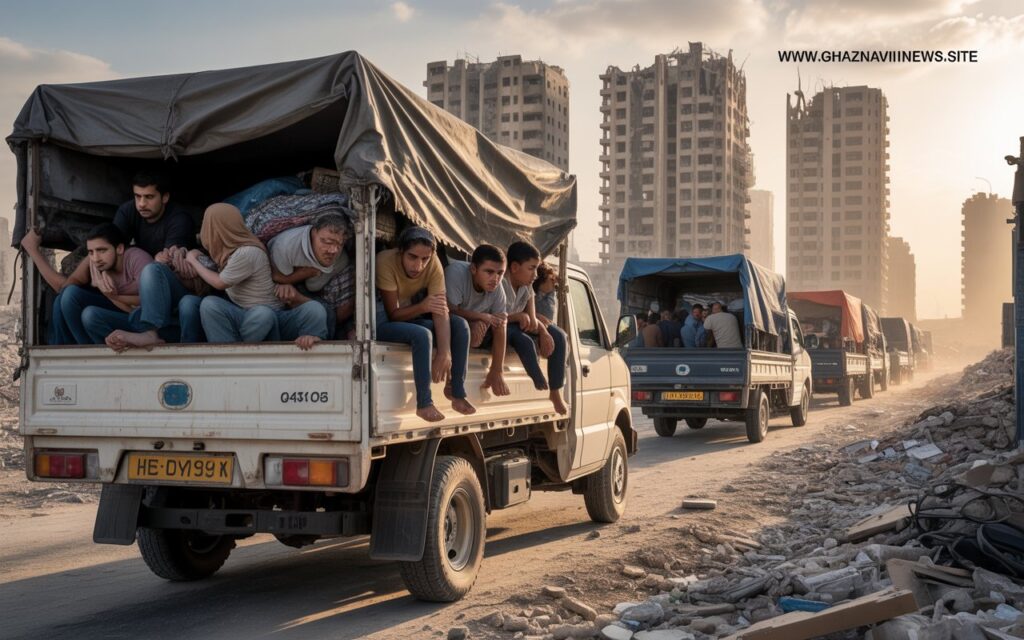
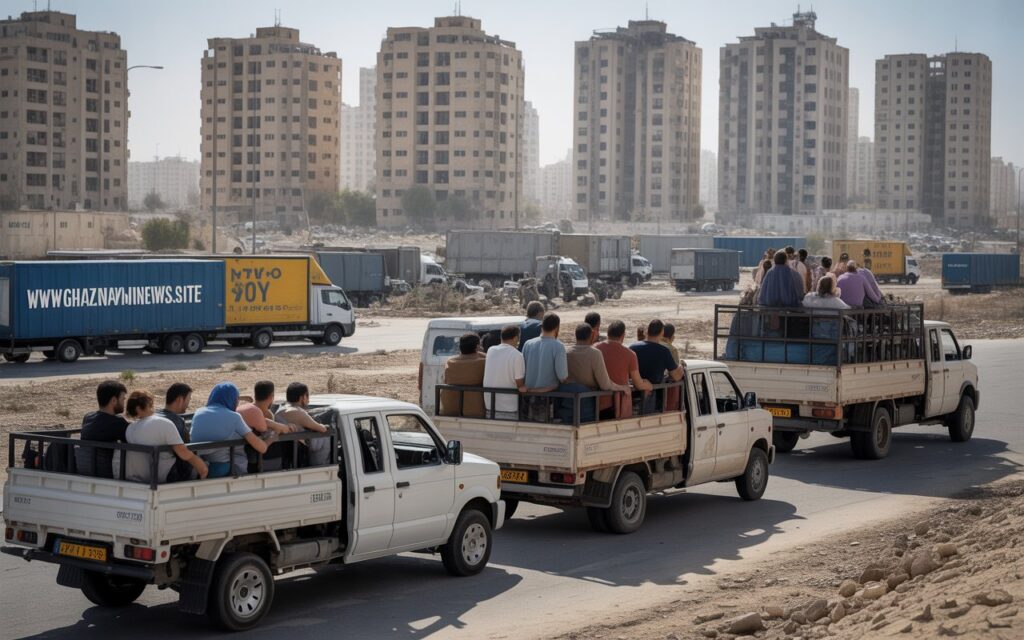
Reports describe crowds of displaced families moving south in overloaded trucks, carrying whatever belongings they could salvage:
- Water tanks, bedding, makeshift shelters, and household scraps are being used to construct temporary camps.
- Families arrive in Al-Mawasi only to find scarce food, no sanitation, and no privacy.
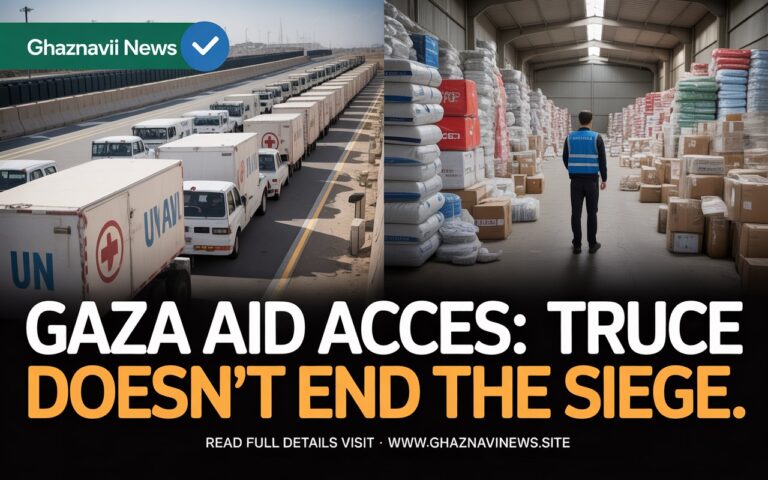
Aid groups report being denied permission to bring in basic supplies such as shelter kits, hygiene products, children’s supplies, and medical equipment. Despite this, CARE and its UN partners continue to deliver limited aid, including water trucking and medical care.
Health Crisis Escalates
As displacement surges, Gaza’s fragile health system is collapsing:
- CARE’s clinic in Deir al-Balah is treating 300 patients daily, a 50% increase in recent weeks.
- Services include maternal and reproductive health care, nutrition programs, and treatment for chronic diseases.
- Palestinian partner organizations are relocating medical facilities further south to avoid destruction.
With rising violence, the demand for healthcare will only grow. Aid groups warn that maternal care, infant nutrition, and chronic disease management are all at risk.
Aid Agencies’ Struggle
Despite the odds, aid agencies continue to operate:
- Water trucking and restoration of water infrastructure are ongoing in northern Gaza.
- Mobile clinics deliver health care to displaced families.
- Food distribution, including limited supplies of fresh vegetables and clean water, provides some relief in the south.
But restrictions on humanitarian access mean these efforts fall far short of needs.
Legal and Ethical Concerns
Under international humanitarian law, civilians must be protected from attacks and cannot be forcibly displaced. Israel’s actions raise grave concerns:
- The mass displacement of one million people may constitute a violation of international humanitarian law.
- Denying humanitarian aid further endangers civilians, contradicting the obligations of an occupying power.
- Civilian zones labeled “safe” have repeatedly been targeted, undermining Israel’s credibility.
Global human rights groups are calling for accountability and urgent international action.
Calls for International Action
Humanitarian organizations stress the urgent need for:
- Immediate cessation of forced displacement.
- Safe, unhindered access for aid agencies to deliver life-saving supplies.
- Protection of civilians under international law.
- Lifting of restrictions on humanitarian and commercial goods entering Gaza.
Failure to act will worsen what aid groups describe as one of the world’s most severe humanitarian crises.
Conclusion
Israel’s order to forcibly displace one million Gazans represents a turning point in the crisis. With Gaza already devastated by bombings, hunger, and repeated displacements, this latest move risks unleashing unprecedented humanitarian suffering.
The world is watching as families face impossible choices and humanitarian organizations struggle to meet overwhelming needs. If international law is to mean anything, the displacement of civilians under siege cannot go unanswered.
What did Israel order in Gaza?
Israel ordered the forced displacement of one million people from Gaza City to southern areas.
Why is this order controversial?
Because it forces already displaced civilians into overcrowded, unsafe zones that lack basic necessities and have been repeatedly targeted by strikes.
Who is most at risk?
Children under five, pregnant and nursing women, and those with chronic illnesses face the highest risks.
How are aid organizations responding?
Aid groups like CARE are providing water, health care, and food, but face severe restrictions on supplies and access.
Table of Contents
Read More News