
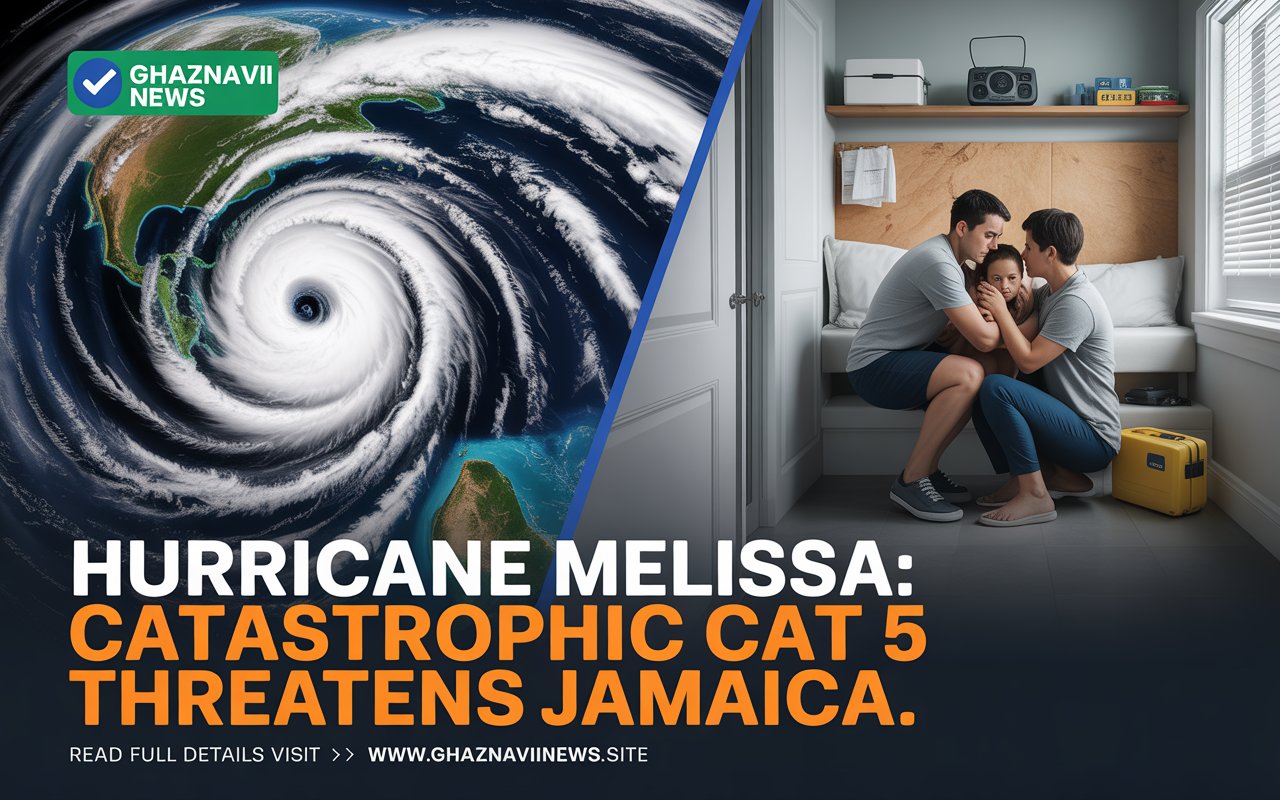
Hurricane Melissa: A Catastrophic Category 5 Storm Triggers Shelter-in-Place Orders Across Jamaica

The Atlantic basin has unleashed its most fearsome phenomenon: a Category 5 hurricane. Hurricane Melissa is not just another weather event; it is a catastrophic, life-threatening storm currently churning towards Jamaica with maximum sustained winds near 160 mph (260 km/h) and even higher gusts. As of the latest advisories, the storm is expected to undergo fluctuations in intensity but remains an exceptionally dangerous system, with additional strengthening predicted today ahead of an anticipated landfall over Jamaica early Tuesday. The situation is evolving rapidly, and for residents and travelers in the path of this monster, the message from authorities is unequivocal and urgent: shelter in place immediately. This is not a storm to be underestimated. With forecasts predicting a staggering 15 to 30 inches of rainfall across parts of Jamaica, and isolated totals potentially reaching a biblical 40 inches, the risks of catastrophic flooding and numerous, devastating landslides are imminent. This comprehensive guide provides an in-depth analysis of Hurricane Melissa’s trajectory, its multifaceted dangers, and the critical, life-saving steps you must take right now to protect yourself and your loved ones.
Understanding the Beast: The Meteorological Profile of Hurricane Melissa
To truly grasp the threat, one must understand what a Category 5 hurricane on the Saffir-Simpson Wind Scale represents. This is the highest classification, reserved for storms capable of catastrophic damage. Winds of 157 mph or higher will render entire neighborhoods uninhabitable for weeks or months, with widespread power and water outages lasting just as long. Hurricane Melissa has not only reached this threshold but is threatening to intensify further. The core of the storm, known as the eyewall, is where the most violent winds and intense weather are concentrated, and this is precisely what is being aimed at Jamaica. The “fluctuations in intensity” mentioned by forecasters are common in powerful hurricanes as they undergo eyewall replacement cycles, but this does not diminish the overall threat; it can even temporarily expand the area experiencing hurricane-force winds. The primary dangers from Hurricane Melissa are threefold, creating a triple-threat scenario that leaves little room for error.
The Triple Threat: Wind, Rain, and Storm Surge
- Catastrophic Wind Damage: With sustained winds of 160 mph, Hurricane Melissa’s power is almost unimaginable. These winds can easily shred roofs from well-built houses, collapse walls, and turn unsecured debris into deadly projectiles. Mobile homes will be destroyed, and high-rise buildings will face severe glass and structural damage. The wind field is so extensive that even areas not in the direct path of the eye will experience destructive and life-threatening conditions.
- Historic Rainfall and Flooding: The rainfall projections are what truly set this storm apart. 15 to 30 inches of rain is not a typical downpour; it is a prolonged, relentless deluge that will overwhelm the natural and man-made landscape. This amount of rain, falling in a short period, will cause rivers to swell far beyond their banks, trigger flash flooding in urban and rural areas alike, and saturate hillsides to the point of collapse. The mention of “numerous landslides” in the warning is not hyperbole; it is a near-certainty in Jamaica’s mountainous terrain. This flooding will cut off escape routes, isolate communities, and pose a grave danger to anyone in a flood-prone area.
- Life-Threatening Storm Surge: While the specific surge forecast depends on the exact track and tide, a Category 5 hurricane invariably drives a massive and deadly storm surge. This is a dome of seawater pushed ashore by the storm’s winds, which can cause unprecedented coastal inundation. Large and destructive waves will compound the surge, leading to severe erosion and catastrophic damage to structures along the immediate coastline. Water levels could reach 15 to 20 feet above normal tide levels in some areas, sweeping away everything in its path.
Official Directives and Critical Updates: What You Must Know
In the face of such a threat, the response from Jamaican and U.S. authorities has been swift and decisive. Adhering to these official directives is not a suggestion; it is a matter of survival.
The Shelter-in-Place Order: Your Most Important Action
The core instruction for anyone in the path of Hurricane Melissa is to shelter in place. This means you must immediately move to a secure, interior room within a sturdy building, away from windows and exterior doors. Do not venture outside during the passage of the storm’s eyewall, as conditions will rapidly become unsurvivable. The calm of the eye is a deceptive trap; the most violent winds will return from the opposite direction once it passes. Your shelter should be stocked with your emergency kit, including water, non-perishable food, medications, important documents, and a battery-powered weather radio.
Nationwide Airport Closures and Travel Disruption
All air travel into and out of Jamaica has been suspended. The following international airports are officially closed until further notice:
- Norman Manley International Airport (KIN) in Kingston
- Ian Fleming International Airport (OCJ) in Ocho Rios
- Sangster International Airport (MBJ) in Montego Bay
Do not go to the airport. All commercial flights have been canceled. Attempting to travel is now impossible and will only put you in greater danger. Your focus must be on finding and securing adequate shelter where you are.
U.S. Embassy in Kingston Operations Suspended
The U.S. Embassy in Kingston has announced a severe reduction in its operations. It will only be available for limited emergency services for U.S. citizens from October 27-31. Crucially, all routine American Citizen Services (ACS) and visa appointments have been canceled. The Embassy has stated that its personnel and Peace Corps volunteers are already sheltering in designated safe locations. This is a clear indicator of the severity of the situation. If you are a U.S. citizen in Jamaica, you should not attempt to travel to the Embassy. You must follow the same shelter-in-place orders as everyone else. The Embassy will work to reschedule appointments after the storm has passed and it is safe to do so.
Your Action Plan: What to Do Before, During, and After the Storm
Right Now (Before Landfall)
- Finish Preparations Immediately: If you are in a flood zone or a sub-standard home, evacuate to a designated shelter or a sturdier building now. Do not wait.
- Charge All Devices: Power outages are a certainty. Charge your phones, power banks, and other essential electronics.
- Secure Your Home: Board up windows with storm shutters or plywood. Bring indoors all outdoor furniture, decorations, and anything else that can be picked up by the wind.
- Fill Bathtubs with Water: This provides a critical reserve of water for flushing toilets and cleaning if water service is interrupted.
- Gather Your Emergency Kit: Ensure it is in your designated safe room.
During the Storm
- Stay Inside: Remain in your interior room, away from windows. Do not be fooled by the eye of the storm.
- Listen for Updates: Use a battery-powered NOAA weather radio for official information. Avoid using your phone except for emergencies to conserve battery.
- Be Ready for Flooding: If floodwater begins to enter your home, move to a higher floor or the roof. Do not walk or drive through floodwaters.
After the Storm (When Authorities Declare it Safe)
- Stay Vigilant: Avoid downed power lines. Be cautious of structural damage to your home. Do not use generators indoors due to carbon monoxide risk.
- Listen to Authorities: Wait for the official “all clear” before venturing out. Curfews may be in effect.
- Check on Neighbors: Once it is safe, check on those around you, especially the elderly and vulnerable.
- Expect Disruption: Power, water, and communications will be out for an extended period. Be patient.
The Bigger Picture: Climate Change and Intensifying Hurricanes
The rapid intensification and sheer power of Hurricane Melissa fit a pattern observed by scientists in a warming world. Warmer ocean temperatures provide more fuel for hurricanes, allowing them to strengthen more quickly and reach higher peak intensities. While no single storm can be attributed solely to climate change, the increased frequency of such high-end Category 4 and 5 storms is a trend that aligns with scientific projections. This makes preparedness and heeding official warnings more critical than ever before.
What is the current category of Hurricane Melissa?
As of the latest update, Hurricane Melissa is a Category 5 hurricane, the highest possible classification on the Saffir-Simpson scale, with winds of 160 mph.
What does “shelter in place” mean in a hurricane?
It means you must immediately take refuge in a small, interior, windowless room on the lowest level of a sturdy building. Do not leave this shelter until local authorities announce that the danger has passed.
Are the airports in Jamaica open?
No. All of Jamaica’s international airports—Norman Manley, Ian Fleming, and Sangster—are closed until further notice due to the hurricane.
I have an appointment at the U.S. Embassy in Kingston. Is it still on?
No. The U.S. Embassy has canceled all routine appointments and will only offer limited emergency services from October 27-31. You must shelter in place and not attempt to travel to the Embassy.Hurricane Melissa
Read More News Hurricane Melissa
Advertisement

Table of Contents
Hurricane Melissa