
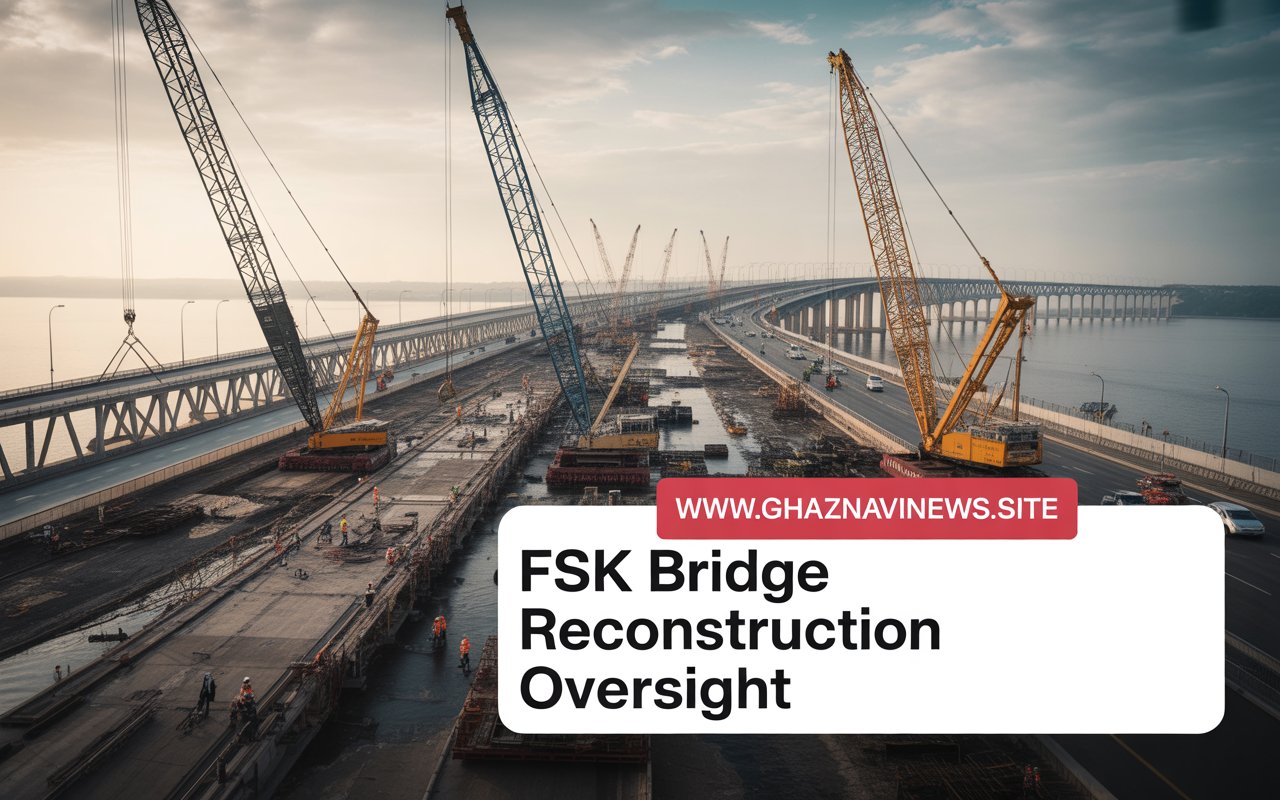
Trump Administration Flags Oversight Concerns in FSK Bridge Reconstruction

The FSK Bridge Reconstruction Oversight issue has taken center stage in Washington after U.S. Transportation Secretary Sean P. Duffy formally raised questions about Maryland’s handling of the Francis Scott Key (FSK) Bridge replacement project. In a detailed letter to Governor Wes Moore, Duffy emphasized the Trump administration’s commitment to ensuring that every federal dollar is accounted for, especially in light of reports suggesting ballooning costs and potential legal challenges tied to contracting practices.
This article examines the concerns flagged by Secretary Duffy, the stakes involved in the $1.8 billion project, and the broader implications of federal oversight in large-scale infrastructure rebuilding efforts.
Background: The FSK Bridge and Its Significance
The Francis Scott Key Bridge, a vital transportation link in Baltimore, has long been central to Maryland’s infrastructure system. Its reconstruction was prioritized after safety concerns and modernization requirements made replacement inevitable. With an estimated budget of $1.8 billion, the project was expected to be completed by 2028.
However, with billions in federal funds at stake, the FSK Bridge Reconstruction Oversight process is drawing national attention. Federal watchdogs and the Department of Transportation (DOT) are keen to ensure the project proceeds on schedule, remains within budget, and complies fully with constitutional standards.
Duffy’s Letter: Federal Oversight at the Core
In his strongly worded letter, Secretary Duffy outlined several key points of concern:
- Cost Escalation – Reports indicate that the initial cost estimates may not reflect the actual expenses of replacing the FSK Bridge. The $1.8 billion budget, according to Duffy, requires deeper scrutiny to avoid hidden overruns.
- Timeline Doubts – While Maryland projects completion by 2028, federal authorities fear delays caused by administrative inefficiencies, rising costs, and contracting disputes.
- Contracting Practices – The most controversial issue relates to Diversity, Equity, and Inclusion (DEI)-based contracting. Duffy raised constitutional concerns, warning that prioritizing race or gender in awarding contracts could expose the state to lawsuits and inefficiencies.
- Accountability for Taxpayers – Duffy reiterated that his office’s duty is to protect U.S. taxpayers by ensuring transparency, fairness, and strict compliance with federal laws.
By underscoring these issues, the Trump administration positioned itself as the guarantor of integrity in the FSK Bridge Reconstruction Oversight process.
The DEI Controversy
One of the sharpest criticisms in Duffy’s letter concerns Maryland’s reliance on DEI-based contracting. Federal legal experts argue that awarding contracts based on race or gender is unconstitutional, citing the DOT’s own Disadvantaged Business Enterprise (DBE) program.
This stance may spark wider debates nationwide about the role of DEI initiatives in federally funded infrastructure projects. For the FSK Bridge, it could mean lengthy legal battles and further delays if adjustments are not made to comply with constitutional standards.
Implications for Maryland and Beyond
The scrutiny around the FSK Bridge Reconstruction Oversight reflects larger questions about how states manage federal funds. Maryland now faces the challenge of balancing inclusivity goals with strict legal and financial accountability.
If oversight reveals mismanagement or unconstitutional practices, Maryland could face funding cuts or delays, which would directly impact commuters, businesses, and the local economy.
Nationally, this case could set a precedent for how future large-scale infrastructure projects are funded and monitored under federal law.
A Test of Accountability
As Secretary Duffy concluded in his letter, ensuring that infrastructure projects like the FSK Bridge are delivered on time, within budget, and in compliance with the law is non-negotiable. His intervention underscores the federal government’s role as a watchdog over taxpayer-funded initiatives.
For Maryland, this marks both a challenge and an opportunity: to demonstrate transparency, efficiency, and adherence to legal norms while delivering one of its most ambitious infrastructure projects.
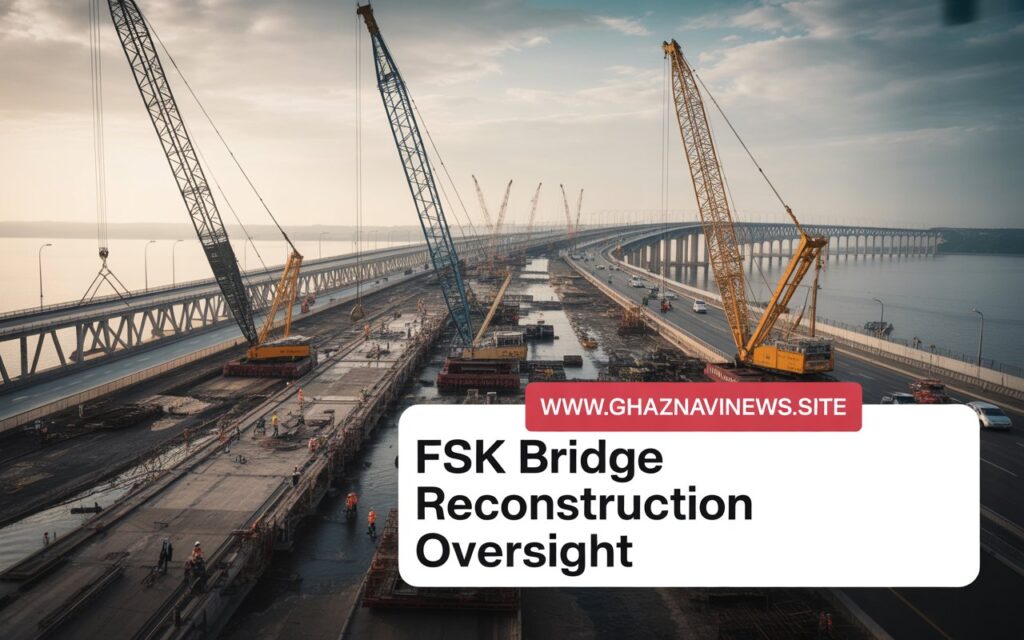
The future of the FSK Bridge Reconstruction Oversight will depend on how effectively Maryland addresses federal concerns, manages public funds, and delivers on its promise to rebuild one of Baltimore’s most important transport links.
What is the FSK Bridge Reconstruction Oversight issue?
It refers to federal concerns raised by Transportation Secretary Sean P. Duffy regarding cost, timeline, and contracting practices in the Francis Scott Key Bridge replacement project.
How much does the FSK Bridge replacement project cost?
The estimated budget is $1.8 billion, but federal officials worry about potential cost overruns.
Why is DEI contracting controversial in this project?
Federal authorities argue that prioritizing contractors based on race or gender may violate constitutional principles and expose the project to legal risks.
When is the FSK Bridge reconstruction expected to be completed?
Maryland projects completion by 2028, though delays are possible due to budget and legal disputes.
What role does federal oversight play in the project?
The U.S. Department of Transportation ensures that federal funds are used properly, projects stay within budget, and constitutional requirements are upheld.
Table of Contents
Read More News
AD











[…] Read More News […]
[…] Read More News […]