Apple Watch Series 11 vs Series 10: A Detailed Comparison

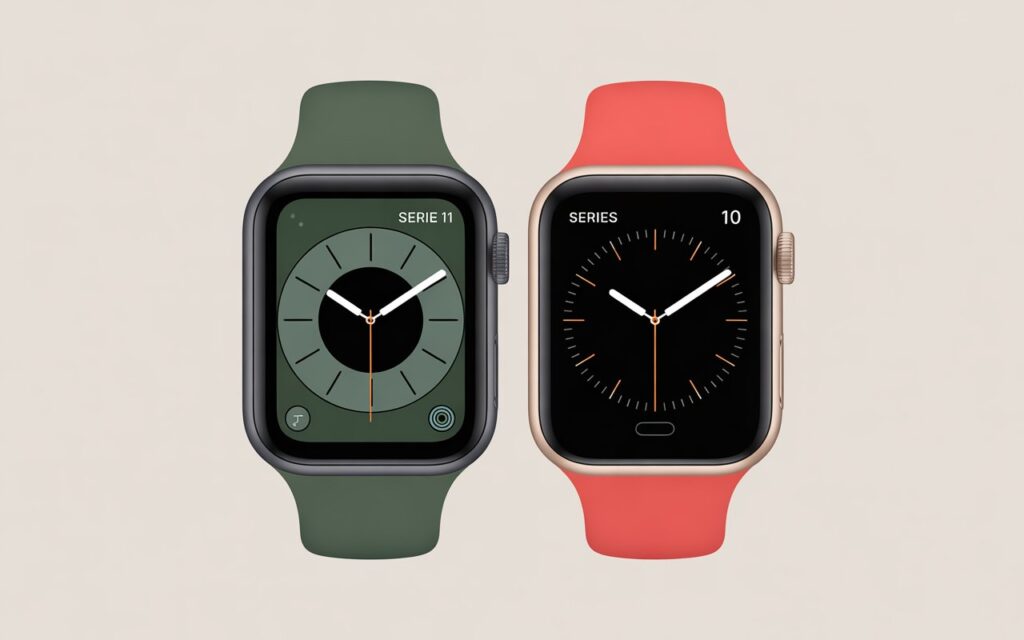
The Apple Watch Series 11 vs Series 10 debate has been at the center of tech discussions since Apple unveiled its latest flagship smartwatch. At first glance, both models look nearly identical — a fact that has left many Apple enthusiasts wondering if the new model is worth upgrading to. While the Series 10 brought major design updates to mark Apple Watch’s tenth anniversary, Series 11 focuses on subtle refinements.
But are these refinements enough to justify spending hundreds of dollars on the upgrade? Let’s dive into the design, display, features, pricing, and performance to find out.
Pricing and Availability
Apple Watch Series 11 retains the same starting price as the Series 10:
- Aluminum models start at $399
- Titanium models start at $699
- Adding cellular connectivity costs $100 extra
- Larger 46mm case size adds $30 for aluminum and $50 for titanium
For luxury buyers, the Apple Watch Hermès Edition in titanium starts at $1,249.
Apple has officially discontinued the Series 10 from its stores, but some units remain available through third-party retailers at discounted prices. This makes the Apple Watch Series 11 vs Series 10 decision even more complex for shoppers.
Design: Nearly Identical, but Subtly Different
Both Series 10 and Series 11 share the same case design and materials. Apple continues to offer two sizes:
- 46mm x 39mm for larger wrists
- 42mm x 36mm for smaller wrists
Thickness is just 9.7mm, about 1mm thinner than earlier generations.
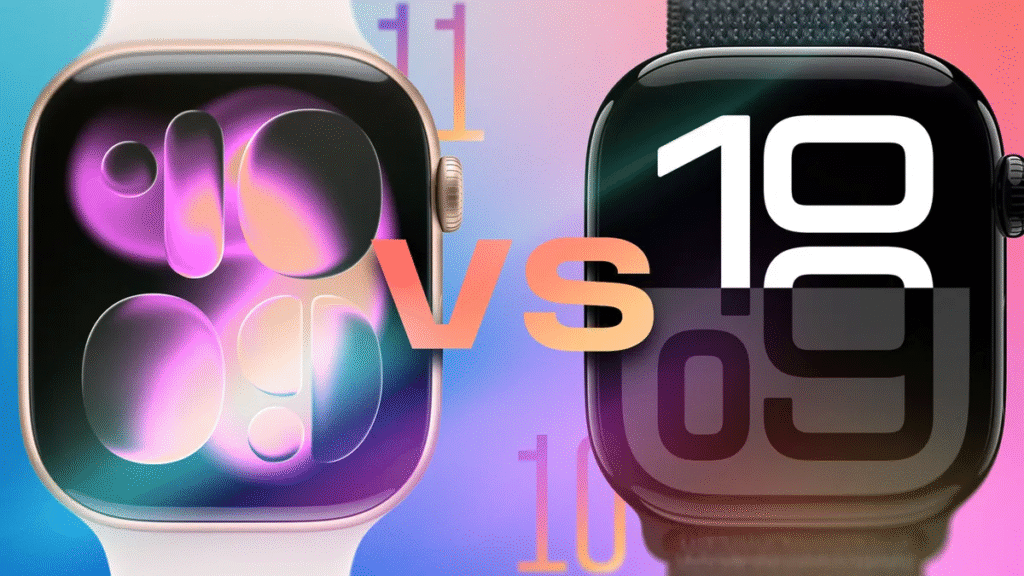
The main difference lies in weight: the 46mm aluminum Series 11 weighs 37.8 grams, slightly heavier than the 36.4 grams of the Series 10.
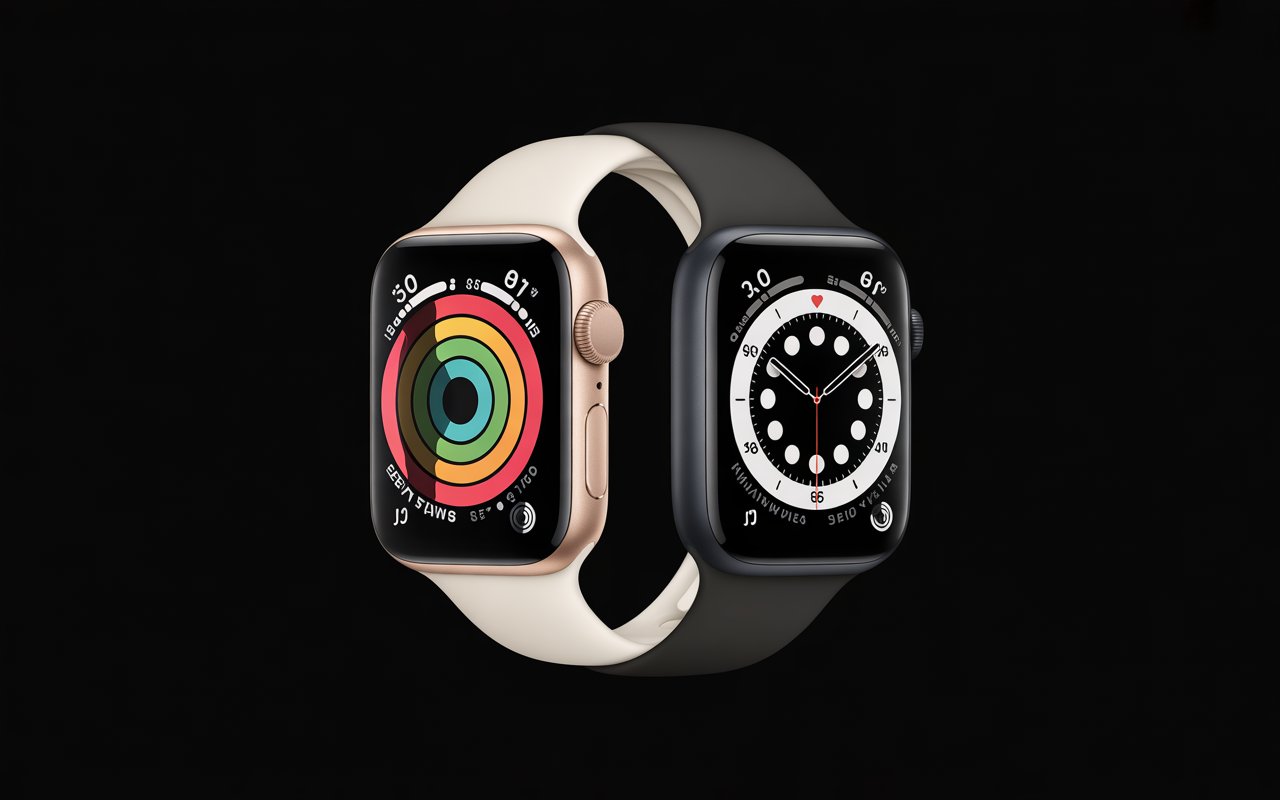
Apple has also refreshed the color palette. The Series 11 introduces a rose gold option, in addition to silver, jet black, and space gray for aluminum models. Titanium versions come in slate, gold, and natural finishes.
Overall, the design hasn’t drastically changed, which may disappoint buyers expecting a radical update.
Display: Stronger Glass, Same Brilliance
Both models feature the LTPO 3 OLED display, renowned for its always-on capability and wide viewing angles. This ensures excellent visibility, whether you’re checking your watch head-on or from the side.
Key display highlights:
- 2,000 nits brightness for outdoor use
- Dims to 1 nit in dark environments
- Always-on display refreshes once per second
The major upgrade in Apple Watch Series 11 vs Series 10 is in durability. The Series 11 aluminum models use Ion-X glass, which Apple claims is twice as scratch-resistant as the Series 10’s glass. Titanium models feature sapphire crystal, offering even stronger protection against scratches.
This subtle but practical improvement may be important for users who engage in outdoor activities or sports.
Performance and Hardware
While Apple hasn’t reinvented the wheel with Series 11, it does feature incremental improvements:
- Processor: Series 11 houses a slightly upgraded chipset designed for smoother performance and better energy efficiency compared to Series 10.
- Battery Life: Both models promise up to 18 hours of usage on a single charge, with fast charging included.
- Durability: Both are water-resistant up to 50 meters, making them suitable for swimming and workouts.
The performance differences are subtle, but Series 11 feels a bit snappier in app navigation and fitness tracking.
Software Experience
Both Series 10 and Series 11 run on watchOS 11, offering identical software features such as:
- Enhanced health tracking (heart rate, sleep, and blood oxygen monitoring)
- Cycle tracking and mindfulness apps
- Fitness+ integration for workouts
- Improved widgets and notifications
Since the software experience is nearly identical, users of the Series 10 won’t miss out on key features if they skip the upgrade.
Battery and Charging
Apple hasn’t extended battery life significantly, but both watches support fast charging, reaching about 80% in under 45 minutes. For heavy users, the low power mode can stretch the battery up to 36 hours.
Is the Upgrade Worth It?
The Apple Watch Series 11 vs Series 10 comparison boils down to durability, color options, and slight performance boosts. If you already own a Series 10, the improvements may not justify an upgrade unless you want stronger glass or the new rose gold color.
However, if you’re coming from an older Apple Watch (Series 7, 8, or 9), the Series 11 is a great buy thanks to its premium materials, refined design, and future-proof performance.
Final Verdict
- Buy Series 11 if you want the latest model with enhanced durability, new finishes, and minor performance upgrades.
- Stick with Series 10 if you already own one and don’t need scratch-resistant glass or new colors.
In short, the upgrade is evolutionary, not revolutionary.
Apple Watch Series 11 vs Series 10
What is the biggest difference between Apple Watch Series 11 and Series 10?
The biggest change is the use of Ion-X scratch-resistant glass on Series 11 aluminum models and sapphire crystal on titanium models.
Are the Apple Watch Series 11 and Series 10 the same size?
Yes, both come in 42mm and 46mm case sizes with nearly identical dimensions.
Is there a price difference between Series 11 and Series 10?
No, the starting price is the same, but Series 10 may be cheaper at third-party retailers since it’s discontinued.
Does Series 11 have better battery life than Series 10?
No, both offer 18 hours of battery life with fast charging.
Should I upgrade from Series 10 to Series 11?
Only if you want stronger glass, new colors, or slightly better performance. Otherwise, Series 10 remains excellent.
Apple Watch Series 11 vs Series 10
Table of Contents
Read More News Apple Watch Series 11 vs Series 10