
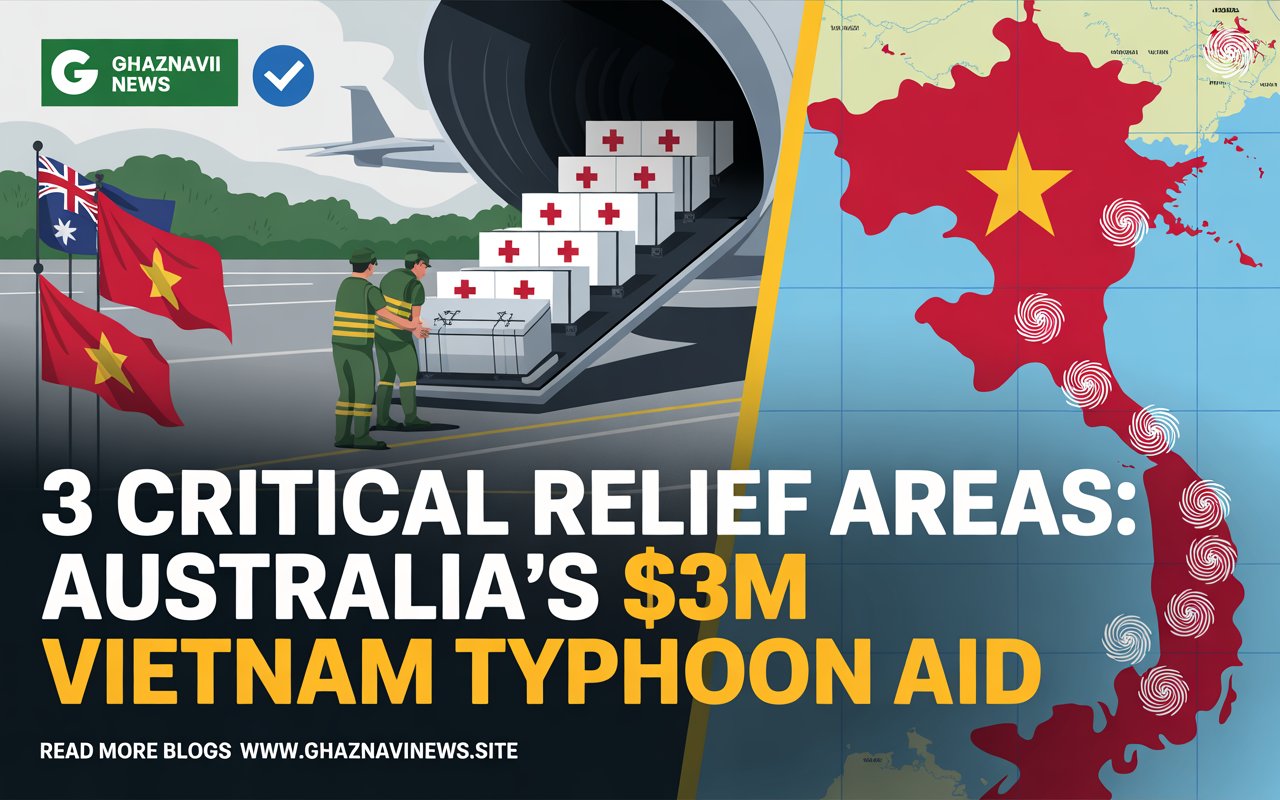
Australia’s $3M Vietnam Typhoon Aid: 3 Critical Relief Areas for Disaster Recovery

In a powerful demonstration of international solidarity, Australia is stepping up with a crucial $3 million humanitarian assistance package for Vietnam in the wake of the devastating back-to-back Typhoons Bualoi and Matmo. These consecutive storms have unleashed widespread destruction and catastrophic flooding across northern and central Vietnam, tragically claiming at least 69 lives and displacing countless communities. This significant Vietnam typhoon aid package from Australia underscores a deep, trusted partnership between the two nations and highlights a strategic, multi-faceted approach to disaster response. As families in Vietnam grapple with the aftermath of this dual disaster, Australia’s timely intervention aims to provide immediate life-saving support while also laying the groundwork for longer-term resilience. The announcement, made by Australia’s Minister for International Development, signals a comprehensive relief effort designed to address the most urgent needs of the affected population.
The emotional and physical toll of these typhoons is immense. Entire regions have been submerged, homes destroyed, and livelihoods shattered. In this difficult time, the thoughts of the Australian government and its people are with the victims. “Our thoughts are with the people of Vietnam,” the official statement began, acknowledging the profound human cost of the disaster. This Vietnam typhoon aid is not just a financial transaction; it is an expression of shared humanity and a commitment from a “long-standing friend and partner” to stand with Vietnam in its hour of need. Foreign Minister Penny Wong emphasized this enduring bond, stating, “We know the recovery road will take time and as a longstanding friend and partner, Australia stands with Vietnam in its time of need.” This commitment is further solidified by the promise that “Australia will continue to work with Vietnam on immediate relief efforts and to build resilience to disasters.” The $3 million Vietnam typhoon aid package is a tangible manifestation of this promise, targeting three key areas to deliver maximum impact on the ground.
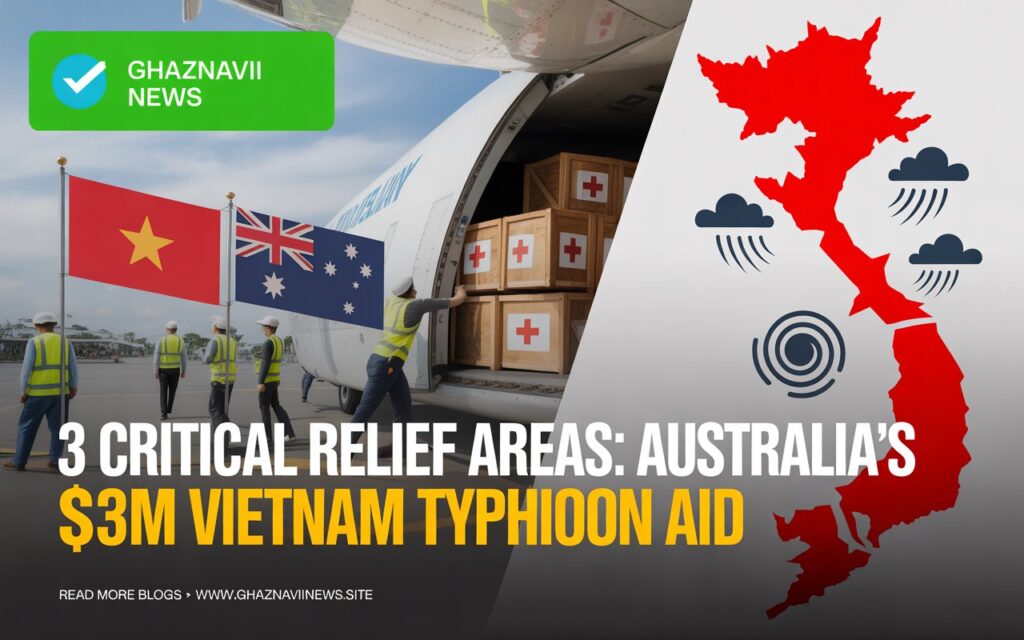
1. Direct Distribution of Emergency Relief Supplies
The first and most immediate pillar of Australia’s Vietnam typhoon aid is the direct provision of essential emergency items to the families who have lost everything. In the chaotic aftermath of a major disaster, access to basic necessities can mean the difference between life and death.
- Targeted Survival Kits: The Australian aid will include critical emergency relief supplies such as kitchen kits, hygiene kits, and shelter tool kits. These are not generic donations but carefully curated supplies designed to address specific survival and dignity needs.
- Kitchen Kits: Allow displaced families to prepare meals safely, providing basic cooking utensils and equipment.
- Hygiene Kits: Contain essential items like soap, toothpaste, and sanitary products to prevent the outbreak of waterborne diseases in crowded shelter conditions.
- Shelter Tool Kits: Enable people to make immediate, basic repairs to damaged homes or to construct temporary shelters, offering protection from the elements.
- Meeting Immediate Needs: This direct supply chain is crucial in the first days and weeks following a disaster when local markets are often disrupted or destroyed. By delivering these kits directly, Australia’s Vietnam typhoon aid ensures that the most vulnerable people receive what they need without delay, stabilizing the humanitarian situation and preventing a secondary crisis.
2. Empowering Australian NGOs for Grassroots Impact
The second strategic component of the Vietnam typhoon aid involves channeling resources through experienced, agile non-governmental organizations (NGOs). This approach leverages specialized expertise and ensures aid reaches even the most remote and hard-hit communities.
- Mobilizing the Humanitarian Partnership: Australia will activate an Australian Humanitarian Partnership (AHP) contribution. This means a portion of the $3 million fund will be allocated to Australian NGOs that are already operational in the region or can deploy rapidly.
- Localized and Effective Response: These NGOs often have pre-existing relationships with local communities and a deep understanding of the cultural and logistical landscape. This allows them to deliver “life-saving assistance” in a way that is contextually appropriate and highly effective. They can quickly identify the most vulnerable groups—such as women, children, and people with disabilities—and ensure aid is distributed equitably.
- A Force Multiplier: By funding these organizations, the Australian government acts as a force multiplier. It supports the capacity of the broader humanitarian ecosystem, ensuring that its Vietnam typhoon aid is implemented by dedicated professionals on the front lines. Dr. Anne Aly, Minister for International Development, highlighted this focus, stating, “Australia and Vietnam are partnering to ensure families and the most vulnerable, including women, children, and people with disabilities, receive life-saving assistance.”
The coordination of this Vietnam typhoon aid is as important as the funding itself. The Australian government has emphasized that it will work “in partnership with the Government of Vietnam” to deliver this support. This collaborative approach is vital for several reasons. It ensures that the aid complements the Vietnamese government’s own response efforts, avoids duplication of work, and respects national sovereignty. The partnership model ensures that the Vietnam typhoon aid is aligned with the priorities set by the affected country itself, making the entire operation more efficient and respectful. This is not a top-down imposition of help but a side-by-side collaboration between trusted partners. The devastating impact of Typhoons Bualoi and Matmo is a stark reminder of the increasing intensity of weather events in the era of climate change. Vietnam, with its long coastline, is particularly vulnerable. Therefore, Australia’s Vietnam typhoon aid also carries a longer-term strategic dimension. By helping Vietnam recover and build resilience now, Australia is investing in the region’s collective ability to withstand future shocks. This Vietnam typhoon aid is not just about repairing the damage of the past but about fortifying for the future.
3. Channeling Support Through United Nations Agencies
The third avenue for Australia’s Vietnam typhoon aid is through the well-established global network of the United Nations. This provides a structured, scalable mechanism for delivering assistance, especially in complex disaster scenarios.
- Leveraging Global Expertise: The funding will also provide support through UN agencies. Organizations like the World Food Programme (WFP), UNICEF, and the UN Refugee Agency (UNHCR) have a massive global presence and deep expertise in logistics, food security, child protection, and shelter.
- Reaching Scale: For a large-scale disaster affecting multiple provinces, UN agencies have the capacity to manage aid distribution on a massive scale. They can coordinate with multiple donors and implement standardized programs across wide geographic areas, ensuring a coherent and comprehensive response.
- Ensuring Coordination: Utilizing the UN system helps ensure that the international response is well-coordinated. The UN often plays a lead role in organizing the efforts of various countries and NGOs to prevent gaps in assistance and ensure that all affected communities are reached.
The $3 million Vietnam typhoon aid package from Australia is a model of strategic humanitarian response. It effectively combines immediate, life-saving direct aid with the grassroots reach of NGOs and the scalable capacity of the UN system. This three-pronged approach ensures that assistance is rapid, targeted, and comprehensive. It reflects a mature understanding that in modern disaster response, no single actor can do it alone. Success depends on partnership—between governments, NGOs, and international bodies—all working towards the common goal of alleviating suffering and helping communities rebuild. As Vietnam embarks on the long road to recovery, this Vietnam typhoon aid will serve as a critical lifeline and a powerful symbol of international friendship.
How much aid is Australia providing to Vietnam?
Australia is providing $3 million in humanitarian assistance to Vietnam in response to the devastation caused by Typhoons Bualoi and Matmo.
What will the Australia Vietnam typhoon aid be used for?
The aid will be used for three main purposes: providing emergency relief supplies like kitchen and hygiene kits, funding Australian NGOs to deliver life-saving assistance, and supporting the efforts of United Nations agencies on the ground.
Which Australian ministers announced the Vietnam aid?
The aid was announced by Minister for International Development Dr. Anne Aly, with supporting statements from Foreign Minister Penny Wong.
How many people died in the Vietnam typhoons?
Tragically, at least 69 people have been reported killed as a result of the consecutive typhoons that hit northern and central Vietnam.
Table of Contents
Read More News





[…] Read More News […]
[…] Read More News […]