
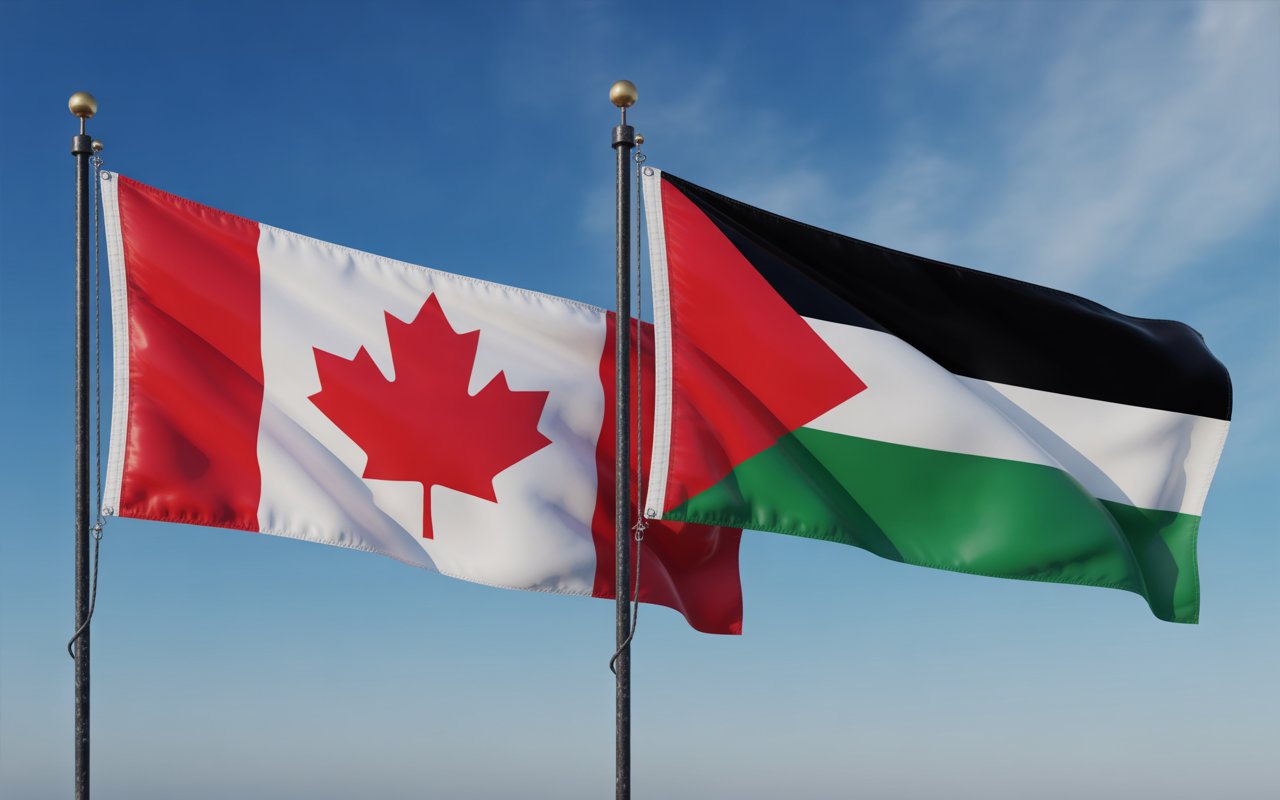
Today, Canada Recognises the State of Palestine: A Decisive Diplomatic Move

Canada recognizes State of Palestine
In a significant and historic shift in its Middle East policy, the Canadian government has officially announced its recognition of the State of Palestine. This decision aligns Canada with the overwhelming majority of United Nations member states and marks a pivotal moment in its diplomatic stance on the long-standing Israeli-Palestinian conflict.
The announcement, made by Foreign Minister Mélanie Joly on behalf of the Canadian government, underscores a commitment to a two-state solution as the only viable path to a just and lasting peace. The move is framed not as an antagonistic gesture towards Israel, but as a necessary step to reaffirm the right of both Palestinians and Israelis to live in peace and security within secure and recognized borders. The Canadian recognition of Palestine is seen as a powerful affirmation of the Palestinian people’s right to self-determination.
This decision is expected to have considerable implications. Diplomatically, it strengthens Palestine’s position on the world stage and may encourage other nations that have been hesitant to follow suit. It also grants Palestine access to a broader range of international institutions and legal avenues. For Canada, this move represents a re-engagement with a multilateral approach to foreign policy, prioritizing international law and consensus.
Reactions have been predictably divided. Palestinian authorities have welcomed the decision as a “historic and courageous” act of justice. Meanwhile, the Israeli government has condemned it, calling it a “reward for terrorism” and a move that undermines direct negotiations. Domestically within Canada, the decision has been praised by many progressive and Arab-Canadian groups, while some conservative voices have criticized it.

The Canadian recognition of Palestine is more than a symbolic gesture; it is a substantive policy shift that adds significant weight to the Palestinian quest for statehood. It signals Canada’s belief that a negotiated two-state solution remains the ultimate goal, and that recognizing Palestine’s statehood is a crucial step in making that goal a reality.
Canada recognizes State of Palestine
Canada recognizes State of Palestine Why did Canada decide to recognize Palestine now?
The Canadian government stated this move is to reinforce its commitment to a two-state solution and to help create a viable path towards lasting peace between Israelis and Palestinians.
How many countries now recognize the State of Palestine?
With Canada’s recognition, the number of UN member states that recognize Palestine has increased significantly, placing it in line with the majority of the international community.
What does this mean for Canada’s relationship with Israel?
Canada has stated it remains a steadfast ally of Israel and that this recognition is about supporting Palestinian statehood, not undermining Israel. However, the move has strained diplomatic ties in the short term.
Does this change anything on the ground for Palestinians?
While largely diplomatic, recognition strengthens Palestine’s standing in international forums and is a significant political achievement for its leadership.
Is this a change in policy for Canada?
es, this represents a major shift from its previous stance of waiting for a final negotiated agreement before granting recognition.
Table of Contents
Read More News










[…] Read More News […]