
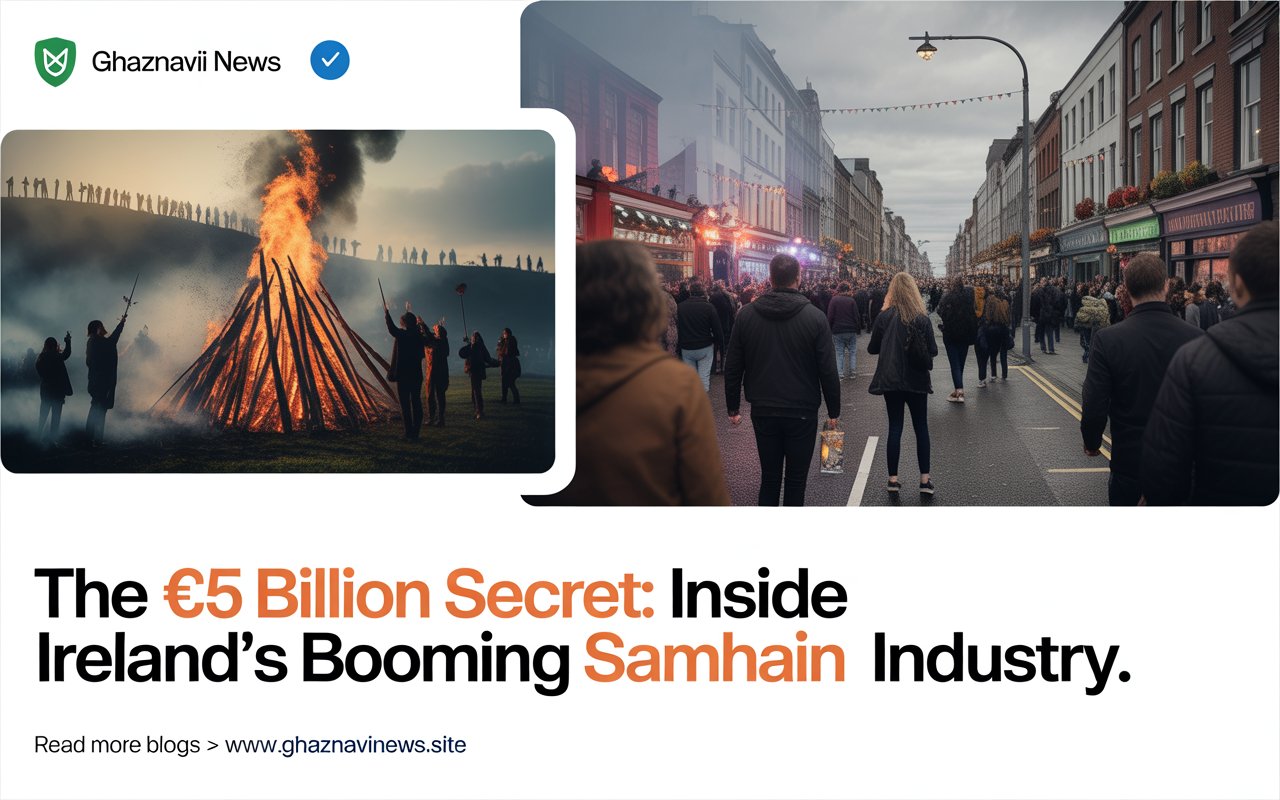
5 Billion Euro Secret: The Explosive Growth of Ireland’s Hidden ‘Samhain Industry’

Samhain Industry
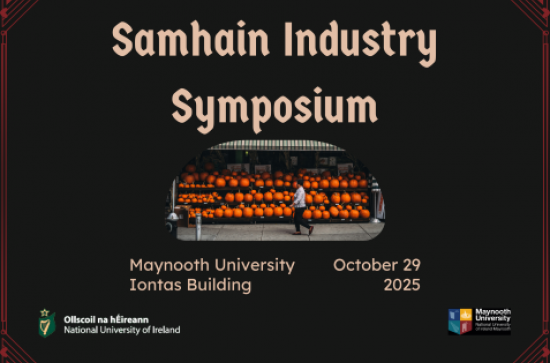
Beyond the plastic pumpkins and costume parties of modern Halloween lies a deeper, more ancient tradition with profound cultural and economic significance. Ireland is currently witnessing the meteoric rise of a powerful and lucrative ‘Samhain Industry,’ a complex network of tourism, academia, and cultural revival that is transforming the ancient Celtic festival into a major economic driver. A landmark one-day interdisciplinary symposium at Maynooth University, scheduled for October 29, 2025, seeks to explore the intricate relationship between the Irish cultural traditions of Samhain and Halloween and the diverse industries that now profit from them. This event, titled ‘The Samhain Industry,’ highlights a national movement to reclaim cultural ownership while simultaneously capitalizing on its immense commercial potential, a delicate balancing act that Ireland is navigating with increasing sophistication. The emergence of this specialized Samhain Industry represents a conscious effort to avoid the commercial pitfalls that hollowed out other diasporic celebrations, like St. Patrick’s Day, and instead build a sustainable model rooted in authentic heritage.
Driver 1: Multi-Million Euro Tourism Investment and The “Home of Halloween” Scheme
The most tangible evidence of the burgeoning Samhain Industry is the direct financial investment from Ireland’s top tourism bodies. Recognizing the global fascination with Halloween’s Celtic origins, Fáilte Ireland, Tourism Ireland, and Tourism Northern Ireland have launched the ambitious ‘Home of Halloween Destination Development Scheme.’
- Strategic Funding: This initiative involves a massive €2.1 million investment across seven local authorities between 2025 and 2028. This is not scattered spending but a targeted strategy to develop specific regions as authentic Halloween destinations.
- Projected Economic Windfall: The estimated economic impact of this project is staggering. It is projected to generate €28 million in economic benefits for local communities. Furthermore, it is expected to attract overseas visitors who will contribute an additional €60 million annually to the Irish economy. These figures move the Samhain Industry from a niche cultural interest into the realm of serious national economic strategy.
- Learning from St. Patrick’s Day: This proactive investment is a direct lesson from the history of St. Patrick’s Day. As noted in the symposium’s description, that holiday lost much of its cultural significance in the 20th century to its commercial value. By injecting official funding and strategic planning now, Ireland aims to steer the Samhain Industry towards a model where cultural authenticity and economic benefit are mutually reinforcing, not mutually exclusive.
Driver 2: Academic Scrutiny and Cultural Reclamation
Parallel to the economic push is a powerful academic movement that provides the intellectual foundation for the Samhain Industry. The Maynooth University symposium is not an isolated event but a hub for serious scholarly work that documents, analyzes, and contextualizes the festival.
- Interdisciplinary Exploration: The symposium features diverse topics that show the depth of this exploration. Presentations like “From Ancient Fires to Amplifiers: Samhain in Celtic Metal Culture” and “Puca to Paddock: Horses as Hidden Codes for Irish Myth” demonstrate how the Samhain Industry is being examined through lenses of musicology, literature, and contemporary subcultures.
- Documenting a Living Tradition: Scholars are actively engaged in “documenting the context of Samhain and Halloween in 2025 neoliberal Ireland as well as its changing patterns of observance.” This academic rigor is crucial. It ensures that the commercial development of the Samhain Industry is informed by a deep understanding of its cultural roots and evolving practices, preventing a descent into shallow caricature.
- Reclaiming Narrative Ownership: The academic focus on “the festivalisation of Samhain and the reworking of folklore” is a form of cultural reclamation. By rigorously studying how the festival changes, Irish scholars and cultural organizers are positioning themselves as the authoritative curators of their own heritage, ensuring that the Samhain Industry grows from the inside out.
The synergy between tourism investment and academic validation is what makes the modern Samhain Industry so resilient. The tourism boards need the authentic stories and deep cultural context that academics provide to market Ireland as the “Home of Halloween” convincingly. Conversely, academic work gains a wider audience and greater practical relevance when it directly informs a thriving cultural economy. This relationship is essential for understanding the full scope of the Samhain Industry. It’s not just about attracting tourists for a seasonal event; it’s about building a year-round narrative that positions Ireland as a global center for Celtic heritage. This holistic approach is what differentiates the current development of the Samhain Industry from the haphazard commercialism that can plague cultural holidays. The scheduled workshop at the symposium suggests a practical, hands-on element, likely aimed at bridging the gap between theory and practice, further strengthening the infrastructure of this growing Samhain Industry. The very fact that a university is hosting an event with this title signals a fundamental shift: the recognition that culture and industry are not adversaries but partners in the 21st century.
Driver 3: The Evolution of Modern Pagan and “Pagan-Coded” Observance
A key factor fueling the Samhain Industry is its resonance with contemporary spiritual and aesthetic movements. The festival is being observed and celebrated in new ways that extend far beyond mainstream trick-or-treating.
Building a Year-Round Appeal: This diversification means the Samhain Industry has components that are relevant throughout the year. Academic conferences, theater productions, and literary trends are not confined to October. This helps build a sustainable ecosystem that supports artists, writers, and performers, making the Samhain Industry a perennial part of the cultural economy.
Contemporary Pagan Practice: Presentations like “The Veil Thins: Contemporary Irish Pagan Practices at Samhain” directly address how the ancient festival is being revived and reinvented by modern pagan communities in Ireland. This provides a living, breathing cultural practice that adds immense authenticity to the tourism product.
Cultural Aesthetics in Theater and Literature: The exploration of “otherworld connections in Irish folk and dance theatre for contemporary audiences” and the “reuse of Samhain folklore in American YA literature” shows the festival’s broad cultural footprint. The Samhain Industry is not limited to those who celebrate it religiously; it encompasses a wide audience that consumes its themes through popular media, art, and performance.
Driver 4: The Delicate Balance Between Commerce and Authenticity
The very term ‘Samhain Industry‘ acknowledges the central tension at the heart of this growth: can a sacred, ancient tradition be commercialized without losing its soul? The symposium and the surrounding movement are deeply conscious of this challenge.
- Awareness of Context: The event description explicitly calls for an awareness of the “particular context in which [commemoration] occurs,” citing scholar M. Cronin. This reflects a mature understanding that the festival’s meaning is not fixed but is constantly negotiated between cultural custodians, commercial interests, and the public.
- Avoiding the St. Patrick’s Day Model: The repeated reference to St. Patrick’s Day serves as a cautionary tale. The goal of the modern Samhain Industry is to leverage commercial potential without allowing it to erase cultural significance. The investment in authentic, community-based experiences through the tourism scheme is a direct attempt to achieve this balance.
- The Role of Scholarship: The academic component acts as a crucial counterweight to pure commercialism. By continuously interrogating the festival’s meaning and documenting its evolution, scholars provide a critical voice that helps keep the Samhain Industry grounded in its cultural origins.
Driver 5: International Resonance and Diaspora Engagement
Finally, the Samhain Industry has a built-in global audience through the worldwide celebration of Halloween and the Irish diaspora. Ireland’s claim as the “Home of Halloween” is a powerful branding tool that resonates internationally.
- Leveraging a Global Brand: Halloween is a multi-billion dollar global industry. By firmly establishing itself as the festival’s authentic birthplace, Ireland can capture a segment of this market—tourists seeking a deeper, more meaningful experience than what is available in their home countries.
- Engaging the Diaspora: For the Irish diaspora, Samhain and Halloween offer a powerful connection to their heritage. The development of a sophisticated Samhain Industry provides opportunities for diaspora engagement through cultural tourism, academic exchanges, and the consumption of Irish cultural products like literature and music that explore these themes.
- Cultural Export: The analysis of Samhain in American Young Adult literature, as featured in the symposium, shows how Irish cultural concepts are exported and repackaged. A strong domestic Samhain Industry ensures that Ireland remains the authoritative source for these narratives, influencing how its culture is perceived and consumed around the world.
What is the difference between Samhain and Halloween?
Samhain is an ancient Celtic festival marking the end of the harvest season and the beginning of winter, often viewed as a time when the veil between the worlds of the living and the dead is thinnest. Halloween is a modern secular holiday that evolved from Samhain and other traditions, with a greater focus on costumes and trick-or-treating.
What is the “Samhain Industry”?
The “Samhain Industry” refers to the interconnected network of tourism, academia, cultural arts, and commerce in Ireland that is built around celebrating, exploring, and monetizing the cultural heritage of the Samhain festival and its connection to modern Halloween.
How much money is being invested in this industry?
Through the ‘Home of Halloween’ scheme alone, Irish tourism bodies are investing €2.1 million directly, with an estimated total economic impact of €28 million for local communities and an additional €60 million annually from overseas visitors.
Why is academia involved in a cultural industry?
Academic research provides the authenticity and deep cultural context needed to develop a sustainable tourism product. It helps ensure the commercial growth of the Samhain Industry is informed by a genuine understanding of the tradition, preventing it from becoming overly commercialized and losing its cultural meaning.
- US Forces Conduct Rare Raid on Cargo Ship Carrying Military Materials from China to Iran
- Trump Administration Launches Historic Pax Silica Alliance to Challenge China’s Rare Earth and Technology Dominance
- South East England Receives £133 Million Boost for Cycling, Walking and Wheeling Infrastructure
- The Hidden Billionaire Village: Inside Cashiers North Carolina’s Wealthy Enclave
- Medway Maritime Hospital A&E Safety Concerns: CQC Report Reveals Mixed Results
Table of Contents
Read More News





[…] 5 Billion Euro Secret: The Explosive Growth of Ireland’s Hidden ‘Samhain Industry’ […]