
3 Critical Ways Early Warning Systems Are Saving Lives and Protecting Economies Worldwide

As climate change fuels more frequent and intense weather disasters, a powerful shield is emerging on the front lines of global defense: sophisticated early warning systems. From the vulnerable communities of Malawi to the mountainous regions of Nepal, timely and accurate predictions are helping people prepare and adapt to an increasingly volatile climate. These systems, built on a foundation of reliable climate data, represent one of the smartest and most cost-effective investments available for protecting both human lives and national economies. Despite offering a staggering tenfold return on investment, global funding for these life-saving networks remains critically low. The case for action is undeniable—strengthening early warning systems is not just a technical necessity but a moral and economic imperative that can prevent billions in losses and save countless lives from preventable climate disasters.
At the very core of climate resilience lies climate information: data collected from weather stations, gauges, and sensors that is then transformed into knowledge about climatic trends, risks, and impacts. This knowledge forms the backbone of reliable weather forecasting, early warning systems, and climate services for sectors ranging from agriculture to healthcare. The value of these services extends far beyond immediate alerts. Over the long term, they empower risk-informed development and adaptation planning, providing countries with the evidence they need to set priorities and strengthen their capacity to cope with the effects of climate change. This article explores the three most impactful ways these systems are creating a safer, more resilient world, and why investing in them is one of the most crucial decisions the global community can make today.
1. The Life-Saving Power of Timely Disaster Alerts
The most immediate and visible benefit of robust early warning systems is their unparalleled ability to save human lives. When a storm, flood, or heatwave is approaching, every minute of advance notice is precious.
- Dramatic Reduction in Casualties: A mere 24-hour warning of an impending storm or heatwave can reduce subsequent damage by up to 30 percent. This crucial window allows authorities to activate evacuation plans, move people to safer ground, and pre-position emergency supplies. The difference between no warning and a full day’s notice can be the difference between a managed emergency and a catastrophic loss of life.
- Protecting the Most Vulnerable: Early warning systems are particularly vital for protecting the world’s most vulnerable populations, including those in Least Developed Countries (LDCs) and Small Island Developing States (SIDS). These regions often bear the brunt of climate impacts but have the fewest resources to cope. Initiatives like the Systematic Observations Financing Facility (SOFF) are working to close the data gap by helping these nations upgrade their observational networks to meet Global Basic Observing Network (GBON) standards.
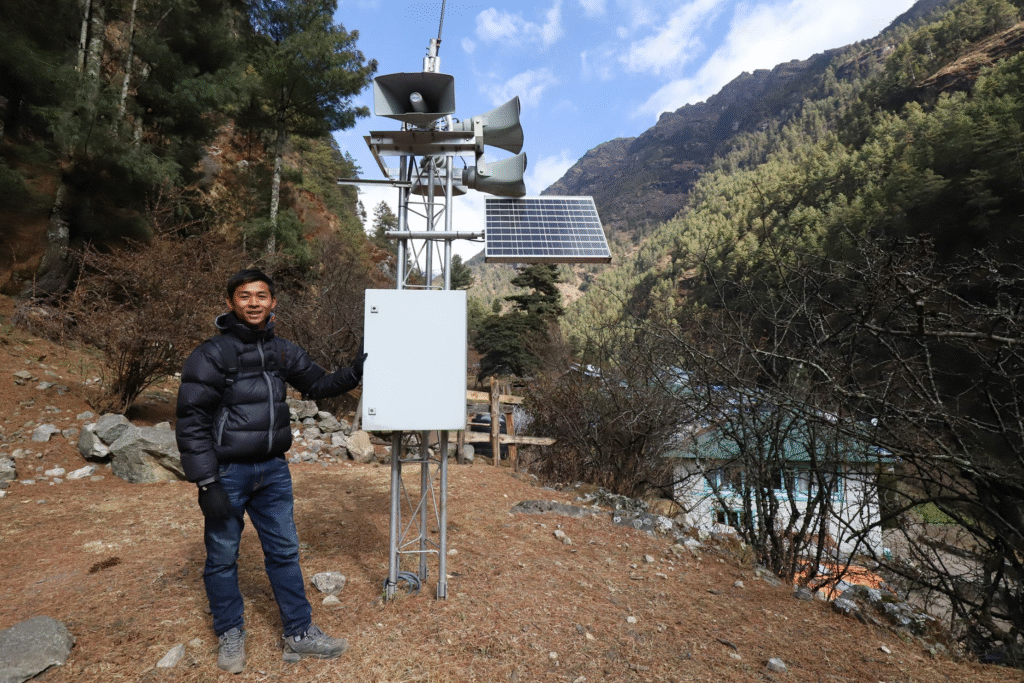
- From Data to Action: The process involves collecting data from a enhanced network of weather stations and sensors, analyzing it with advanced forecasting models, and disseminating clear, actionable warnings in local languages through multiple channels like radio, SMS, and community loudspeakers. This end-to-end system ensures that the data doesn’t just remain in a meteorologist’s office but reaches the people who need it most, empowering them to take life-saving action.
2. The Staggering Economic Returns and Loss Prevention
Beyond the immeasurable value of human life, early warning systems are also phenomenal economic investments. The financial argument for funding these systems is so compelling that it makes the current global underinvestment difficult to comprehend.
- Massive Return on Investment: The numbers speak for themselves. A relatively modest investment of US $800 million in early warning systems for developing countries could prevent annual losses of between $3 billion and $16 billion. This represents a potential return of up to ten times the initial investment, making it one of the most cost-effective climate adaptation measures available.
- Sector-Specific Economic Benefits: The economic advantages extend even further. In weather-sensitive sectors like agriculture, fisheries, energy, and transport, improved observational data and climate advisory services could unlock over $160 billion in annual global economic benefits. Farmers can use seasonal forecasts to decide which crops to plant, energy companies can anticipate demand during heatwaves, and transport authorities can prepare for disruptive weather, minimizing economic downtime.
- Protecting Critical Infrastructure: Effective early warning systems also allow governments and businesses to secure critical infrastructure. By knowing when a major flood is likely to hit, dams can be managed, ports can be secured, and power grids can be reinforced, preventing damage that costs billions to repair and takes years to recover from.
The integration of early warning systems into national and international climate strategies is no longer an afterthought but an emerging priority. Countries are increasingly recognizing the indispensable role of climate information and early warning systems, embedding them as core priorities in their National Determined Contributions (NDCs), National Adaptation Plans (NAPs), and disaster risk reduction frameworks. This strategic shift acknowledges that you cannot manage what you cannot measure. Beyond being standalone projects, climate information is now shaping the very content and direction of NDCs. Accurate data allows countries to assess vulnerabilities, identify priority sectors, and design targeted adaptation and mitigation strategies. Whether projecting sea-level rise impacts on coastal infrastructure or anticipating shifts in agricultural yields due to changing rainfall patterns, robust climate information ensures that national climate commitments are grounded in science and tailored to national realities. This data-driven approach, supported by reliable early warning systems, is transforming climate action from a theoretical exercise into a practical, evidence-based endeavor.
3. Building Long-Term Resilience and Informing National Policy
The third critical function of early warning systems is their role in building long-term societal resilience and informing smart, forward-looking national policies. Their value is not limited to immediate disaster response but extends to shaping a more sustainable and secure future.
- Informing National Climate Plans: The data gathered for early warning systems provides the empirical foundation for National Adaptation Plans (NAPs) and NDCs. Governments use historical climate data and future projections to make informed decisions about where to build infrastructure, how to manage water resources, and which agricultural practices to promote. This moves climate adaptation from reactive to proactive.
- A Framework for Sustainable Development: Reliable climate services are essential for achieving the Sustainable Development Goals (SDGs). They help ensure food security (SDG 2), protect lives and livelihoods from disasters (SDG 11), and foster climate action (SDG 13). By integrating climate information into development planning, countries can build resilience into the very fabric of their economies and societies.
- The SOFF Model: A Blueprint for Success: The Systematic Observations Financing Facility (SOFF), established in 2021, represents a groundbreaking approach to addressing the data gap. As a first-of-its-kind UN fund, it assists LDCs and SIDS with grant-based financing and peer technical assistance. SOFF’s phased approach—covering preparation (planning), investment (implementation), and compliance (sustained operations)—ensures that countries receive the end-to-end support needed to achieve and maintain a permanent upgrade of their observational networks. This model is crucial for ensuring that the global community builds a comprehensive and reliable climate observation system that leaves no one behind.
Table of Contents
The evidence is overwhelming. Early warning systems are a triple-win solution: they save lives, protect economies, and build a foundation for long-term resilience. As climate change intensifies, the demand for these systems will only grow. The question is not whether we can afford to invest in them, but whether we can afford not to. By closing the funding gap and prioritizing the global rollout of effective early warning systems, the world can take a monumental step toward a safer, more climate-resilient future for all.
What is an early warning system?
An early warning system is an integrated process of hazard monitoring, forecasting, risk assessment, and communication that enables individuals and authorities to take timely action to reduce disaster risks before a natural hazard occurs.
How cost-effective are early warning systems?
They are extremely cost-effective. An $800 million investment in early warning systems for developing countries could prevent $3-16 billion in annual losses, offering a return of up to 10 times the initial investment.
What is the SOFF facility?
The Systematic Observations Financing Facility (SOFF) is a UN fund that helps Least Developed Countries and Small Island Developing States upgrade their weather observation networks to meet global standards, which is the foundation for effective early warnings.
How do early warnings help the economy?
Beyond preventing disaster losses, they provide over $160 billion in annual economic benefits by helping sectors like agriculture, energy, and transport make better decisions based on reliable weather and climate information.
Read More News










[…] Read More News […]